

The Future of Freight: How AI & Automation Are Reshaping Logistics
The Future of Freight: How AI & Automation Are Reshaping Logistics
The freight and logistics sector is undergoing one of the fastest technology transformations in decades. Rising fuel prices, capacity shortages, and volatile global trade routes have forced carriers and shippers to rethink how freight is planned, optimized, and moved. AI-powered routing, predictive capacity planning, and real-time visibility platforms are now becoming essential tools rather than optional upgrades.
Automation is also redefining how warehouses and freight hubs function. From robotic picking systems to autonomous forklifts, logistics facilities are improving throughput while reducing operational errors. These innovations not only speed up freight handling but also reduce the dependency on labor—which remains one of the biggest bottlenecks in the industry.
Another major driver of change is data. Freight operators that leverage advanced analytics are now forecasting shipment delays, optimizing truck utilization, and improving customer delivery SLAs with far greater accuracy. Meanwhile, digital brokers and online freight marketplaces are eliminating inefficiencies by matching loads and carriers in real time.
As logistics companies move toward fully connected, automated networks, those who adopt AI sooner will secure competitive advantages in cost, service reliability, and scalability. Businesses looking to modernize their freight strategy can benefit from expert advisory, cost optimization support, and access to modern logistics solutions through the broader EIN ecosystem.
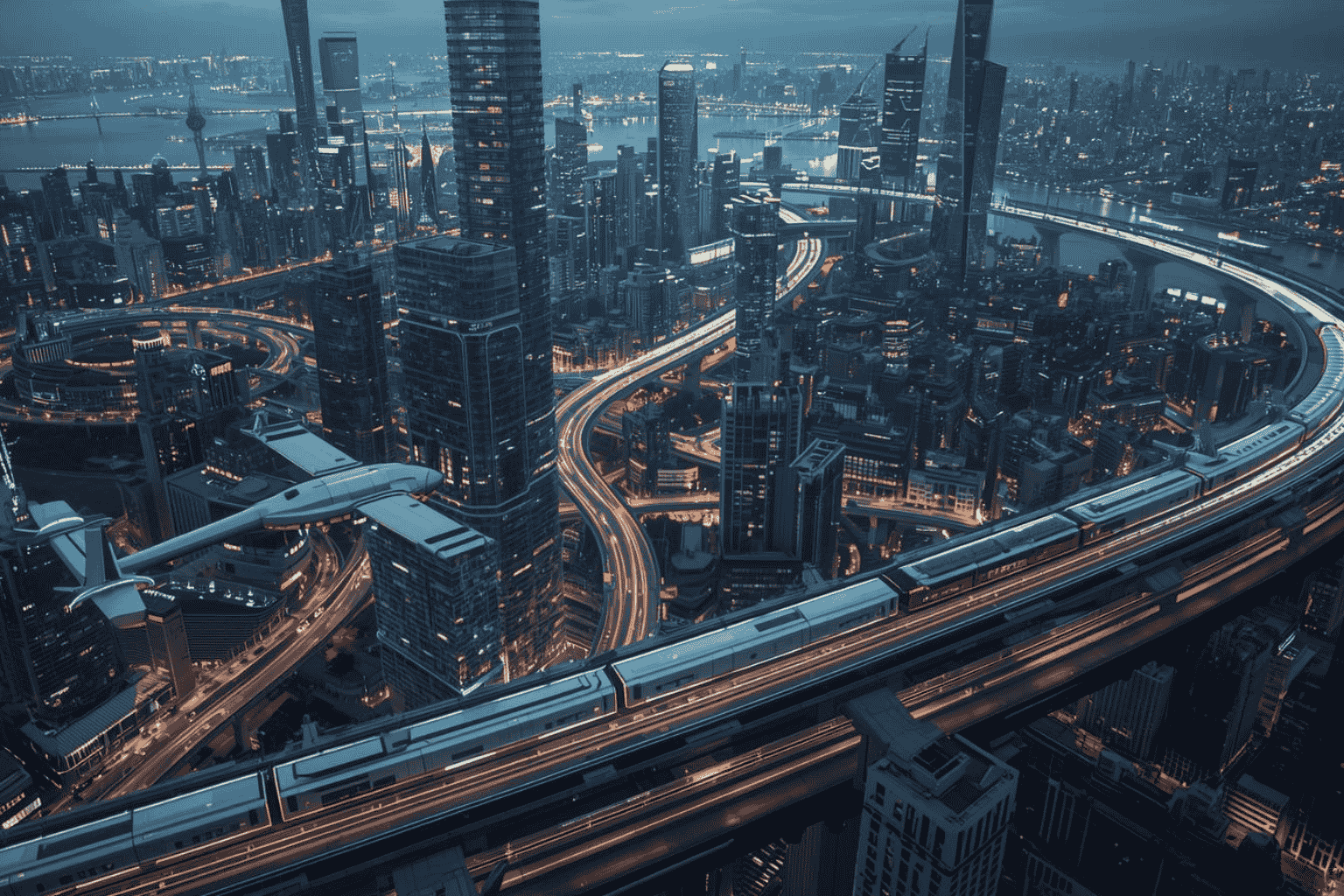 The Future of Freight