

Future of Work Models

Future of Work Models Mature as Businesses Balance Flexibility and Accountability

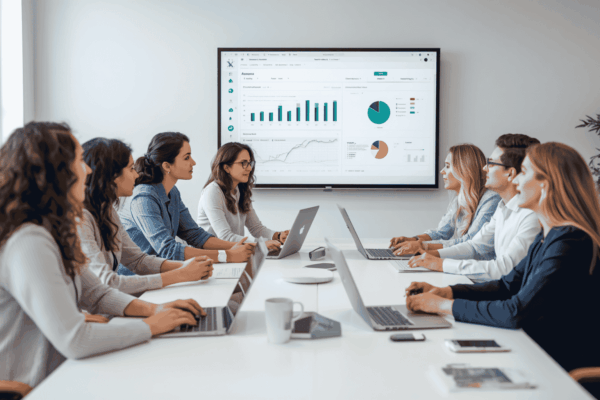
The future of work is entering a more disciplined phase in 2026. After years of experimentation, organizations are refining hybrid and flexible models to ensure productivity, collaboration, and accountability. Rather than focusing on location, leadership teams are defining clear outcomes, performance metrics, and role ownership. Technology platforms supporting workflow transparency and team alignment are becoming…

Read More
Looking Ahead to 2026

Looking Ahead to 2026: Clarity, Strategy, and Long-Term Thinking

A new year doesn’t just bring new opportunities — it invites better thinking. As 2026 begins, the most valuable advantage for leaders, founders, and investors will be clarity: clarity in decisions, clarity in strategy, and clarity in long-term direction. At EINEdge, our focus remains unchanged — delivering insights that help navigate complexity and build meaningful…

Read More
Workforce Models

Workforce Models Continue to Evolve as Businesses Prioritize Productivity and Accountability

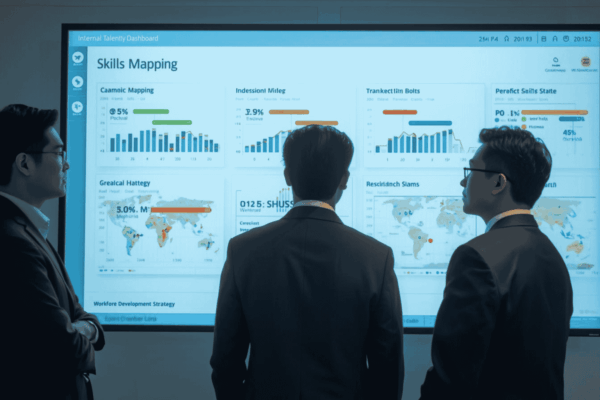
The future of work is settling into a model that balances flexibility with performance accountability. U.S. companies are refining hybrid structures to ensure collaboration, clarity, and measurable outcomes. Rather than focusing on where work happens, leadership teams are emphasizing how work is delivered—through clear KPIs, role ownership, and outcome-based evaluation. Technology platforms supporting remote collaboration,…

Read More
The future of work in the United States

The Future of Work Continues to Shift Toward Outcome-Driven Performance Models

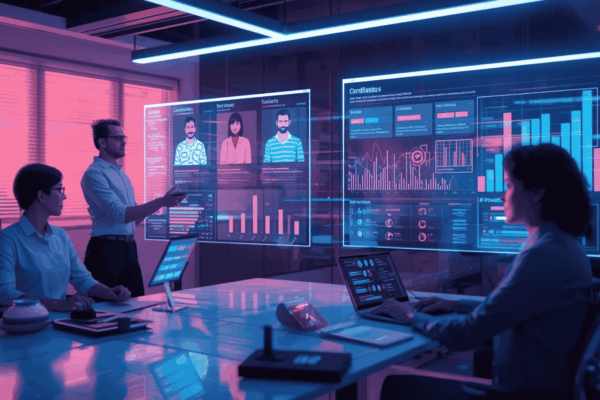
The future of work in the United States is increasingly defined by outcome-driven performance rather than traditional time-based metrics. Companies are redesigning roles to emphasize results, accountability, and cross-functional collaboration. Hybrid work models are now widely accepted across industries, but successful organizations are pairing flexibility with clear performance expectations. Data-driven evaluation systems and transparent goal-setting…

Read More
Hybrid Leaderships

The Future of Work Shifts Toward Hybrid Leadership and Outcome-Based Teams

The future of work in the U.S. is increasingly defined by hybrid leadership models and outcome-based performance structures. Companies are moving beyond traditional office metrics and focusing on productivity, accountability, and collaboration across distributed teams. Organizations are redesigning roles to emphasize results rather than hours worked. This shift is encouraging flexible work arrangements while maintaining…

Read More
Digital Twins

Digital Twins Gain Traction as U.S. Industries Prioritize Real-Time Operational Simulation

Digital twin technology—virtual replicas of physical systems—is becoming a major focus for U.S. companies aiming to improve accuracy in planning and operational performance. Manufacturing, logistics, construction, and energy firms are increasingly investing in digital simulation tools to model outcomes, reduce risk, and optimize decision-making. The appeal of digital twins lies in their ability to test…

Read More
Smart Automation

How Smart Automation Is Redefining U.S. Workplace Productivity for 2026

Smart automation technologies are accelerating across U.S. organizations as businesses seek cost-efficient ways to increase productivity. From automated scheduling tools to AI-driven customer support, companies are integrating intelligent systems to reduce manual workload and improve operational accuracy. The shift toward automation is not just about replacing repetitive tasks—it’s reshaping how teams execute strategic functions. Businesses…

Read More
Shift Toward Outcome-Based Work Cultures

The Shift Toward Outcome-Based Work Cultures

The Shift Toward Outcome-Based Work Cultures Outcome-based work cultures prioritize results over hours worked, allowing employees to focus on delivering high-quality output rather than following rigid schedules. This approach improves accountability, creativity, and job satisfaction by giving teams the freedom to structure their work in ways that maximize performance. Companies adopting this model typically see…

Read More
AI Is Enhancing Workplace Collaboration

How AI Is Enhancing Workplace Collaboration

How AI Is Enhancing Workplace Collaboration AI-powered tools are improving workplace collaboration by making communication faster, clearer, and more efficient. Intelligent systems can summarize meetings, organize tasks, analyze messages, and help teams stay aligned. This reduces misunderstandings and ensures that projects progress smoothly across departments and time zones. AI also enhances team productivity by automating…

Read More
Digital Skills

Why Digital Skills Are Becoming Essential for Business Growth

Why Digital Skills Are Becoming Essential for Business Growth Digital skills are becoming critical as businesses rely more heavily on technology for operations, marketing, customer service, and decision-making. Employees who understand data, automation tools, and digital platforms can contribute more effectively to productivity and innovation. Companies with a digitally skilled workforce adapt faster to market…

Read More