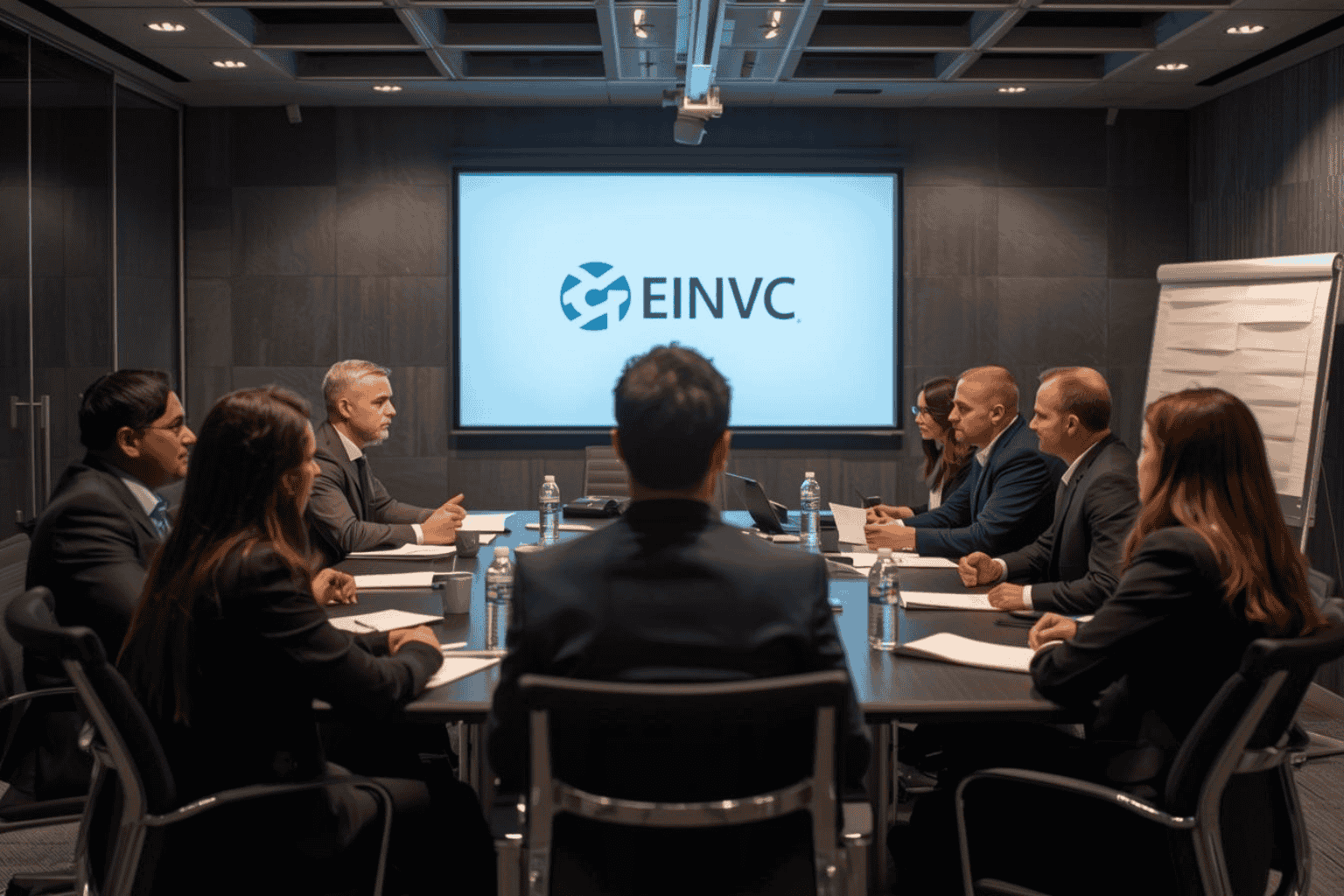

Investor-Ready in 2026: What Venture Capital Actually Funds (and What It Rejects)
Investor-Ready in 2026: What Venture Capital Actually Funds (and What It Rejects)
In 2026, venture capital still funds innovation—but not without execution proof. Investors have become more disciplined, prioritizing operational maturity, traction signals, and leadership alignment over vision alone. Founders who treat fundraising as storytelling without metrics often struggle to secure serious engagement. Founders who treat fundraising as readiness consistently earn deeper conversations and stronger terms.
Investor readiness is not a pitch deck alone. It is the combination of traction, financial discipline, scalable systems, and a credible plan for capital deployment. Venture capital is not “belief funding.” It is risk-managed growth funding. The job of the founder is to reduce risk through measurable progress.
What Investors Evaluate Before Committing
Across industries, most venture investors evaluate the same decision variables:
- Traction evidence: revenue growth, user growth, pilots, or strategic contracts.
- Unit economics: CAC, gross margin, retention, and payback periods.
- Burn discipline: runway clarity and expense control aligned with milestones.
- Scalability: systems, hiring plan, and operational architecture that can grow.
- Team execution: leadership cohesion and ability to deliver consistently.
Why Capital Follows Execution
Investors know that early-stage plans change. What they want to see is a team that can execute through change. Strong execution reduces risk. Reduced risk improves valuation and deal confidence. That is why “operator founders” often outperform “idea founders” in disciplined markets.
Execution is demonstrated through metrics and momentum. Even small traction—if consistent and measurable—can outperform ambitious projections without proof.
Use of Funds: The Fastest Way to Lose Trust
One of the most common reasons fundraising fails is unclear use of funds. Founders often describe “growth” broadly, but investors want capital deployment mapped to milestones. They want to know:
- Where exactly will the money go?
- What measurable outcomes will it create?
- How will progress be tracked monthly?
- What risks could prevent milestone delivery?
When founders answer these questions clearly, investor trust accelerates. When they cannot, investors hesitate.
How Founders Build Investor Readiness
A practical investor-readiness path typically includes:
- Define and track core KPIs consistently
- Strengthen unit economics and retention narrative
- Build disciplined runway planning (burn vs milestones)
- Prepare documentation and data room basics
- Refine pitch narrative around proof, not promises
In 2026, startups that operate with readiness attract better investors—and better investors create better long-term outcomes.
Want to improve investor readiness and capital conversations?
Explore how EIN Venture Capital supports founders with capital matchmaking and readiness.
 Investor-Ready in 2026