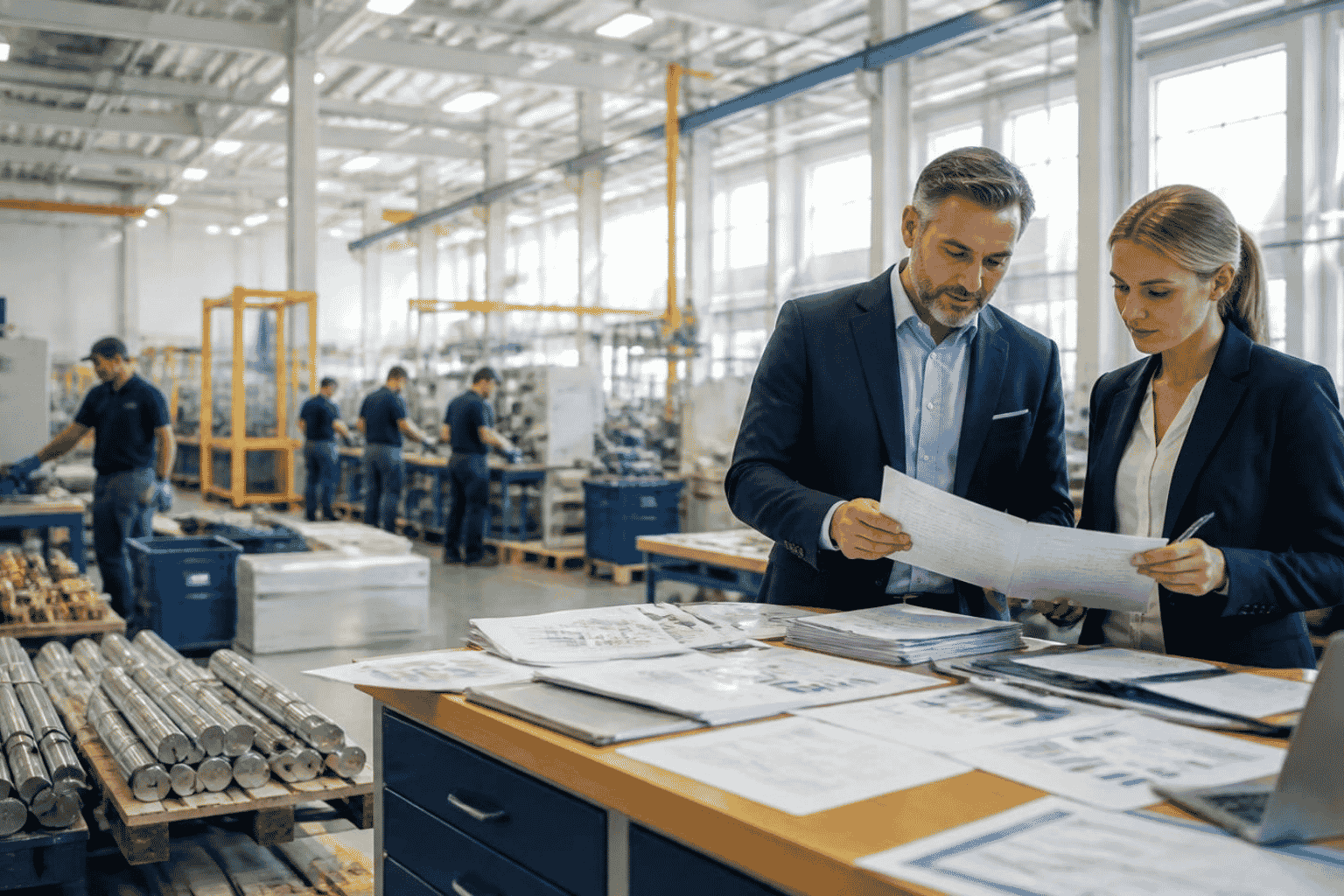

Supply Chain Resilience: How Manufacturers Can Reduce Global Risk
Supply Chain Resilience: How Manufacturers Can Reduce Global Risk
Global supply chains are becoming increasingly vulnerable to disruptions caused by geopolitical tensions, natural disasters, and transportation bottlenecks. Manufacturers that once depended on single-country sourcing are now shifting toward more diversified, resilient supply chain models. Building a stable supply chain has become a strategic priority for production-heavy industries.
Resilience begins with visibility. Manufacturers must track suppliers, shipment routes, and raw material availability in real time. Advanced digital platforms offer predictive insights that help businesses identify risks before they escalate. These tools support proactive planning—allowing companies to respond quickly to disruptions.
Diversification is another core strategy. Manufacturers are increasingly adopting multi-supplier models, nearshoring, and local sourcing where possible. This reduces dependency on any single region and minimizes exposure to international volatility. Combined with better demand forecasting, manufacturers can stabilize production even during market fluctuations.
Companies building resilient supply chains often require advisory support, restructuring assistance, and compliance guidance—especially when entering or exiting international supplier agreements. EIN provides end-to-end support through its advisory, legal, and consulting divisions.
Get Supply Chain Compliance Support
 Supply Chain Resilience