

Deal Documents That Matter: Why Transaction Readiness Starts With Legal Structure
Business transactions often slow down not because of weak intent, but because of weak preparation. One of the most common issues in acquisitions, partnerships, and major funding discussions is incomplete or inconsistent legal documentation. When important agreements are missing, outdated, or unclear, transaction risk increases quickly.
Transaction readiness begins with legal structure. This includes reviewing contracts, ownership records, compliance documents, governance arrangements, and any legal obligations that could affect the deal. Strong documentation does not just support due diligence—it improves confidence across all parties involved.
Businesses that organize their legal foundation before entering a transaction are usually in a stronger position to negotiate, respond to scrutiny, and move the process forward with fewer surprises. Legal readiness is not only about protection; it is also about preserving momentum and value.
Consult EIN Legal Counsel →
Frequently Asked Questions
What is transaction readiness in legal terms?
It means having the contracts, ownership records, compliance documents, and legal structure prepared before a deal begins.
Why do legal documents matter in a transaction?
They reduce risk, support due diligence, and help keep negotiations moving efficiently.
Can legal preparation improve deal outcomes?
Yes, better legal readiness often reduces delays, improves confidence, and protects enterprise value.
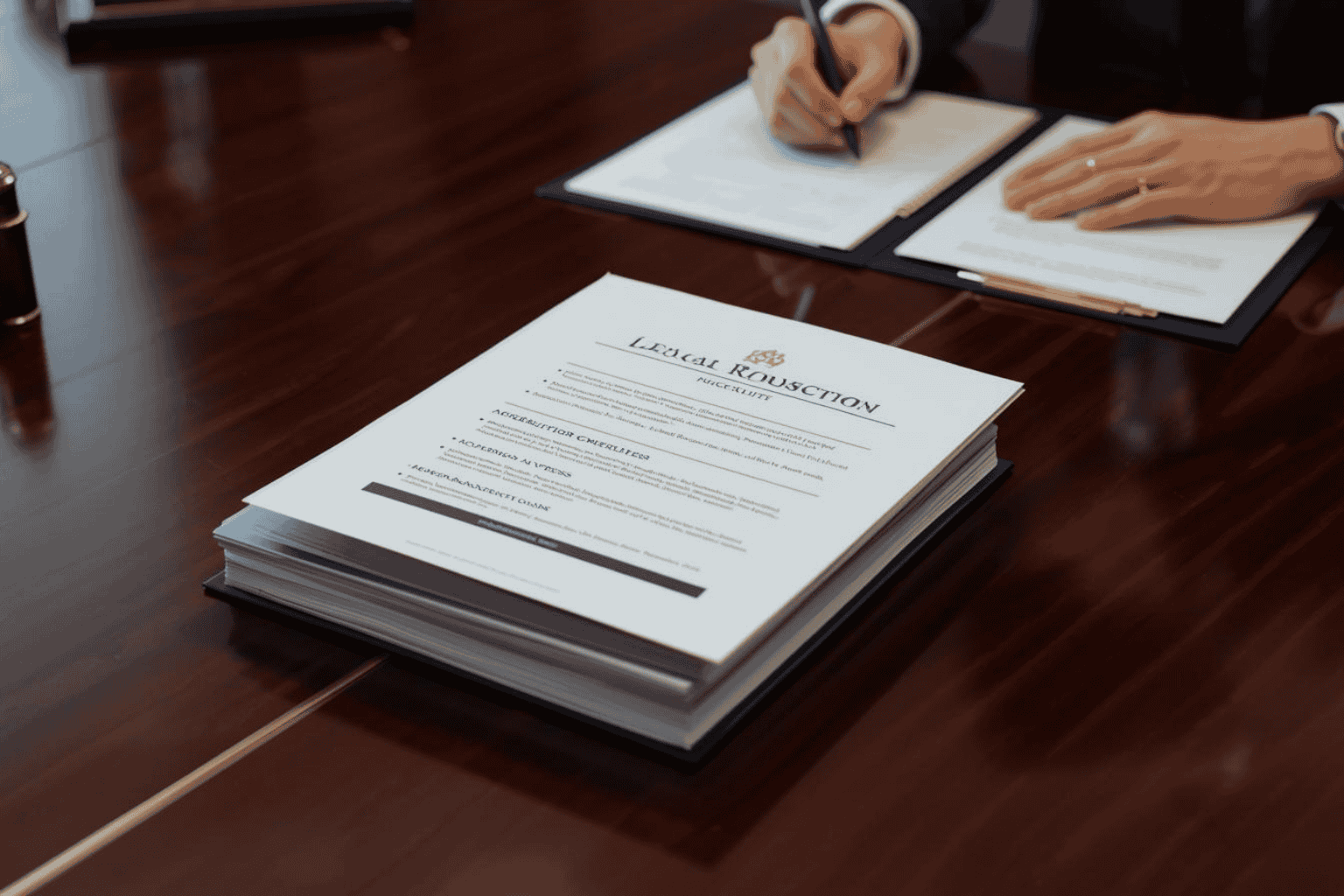 Strong legal structure and organized deal documents help reduce friction during transactions.