
Enterprise Value Gap: Why Growing Businesses May Be Worth Less Than Owners Expect
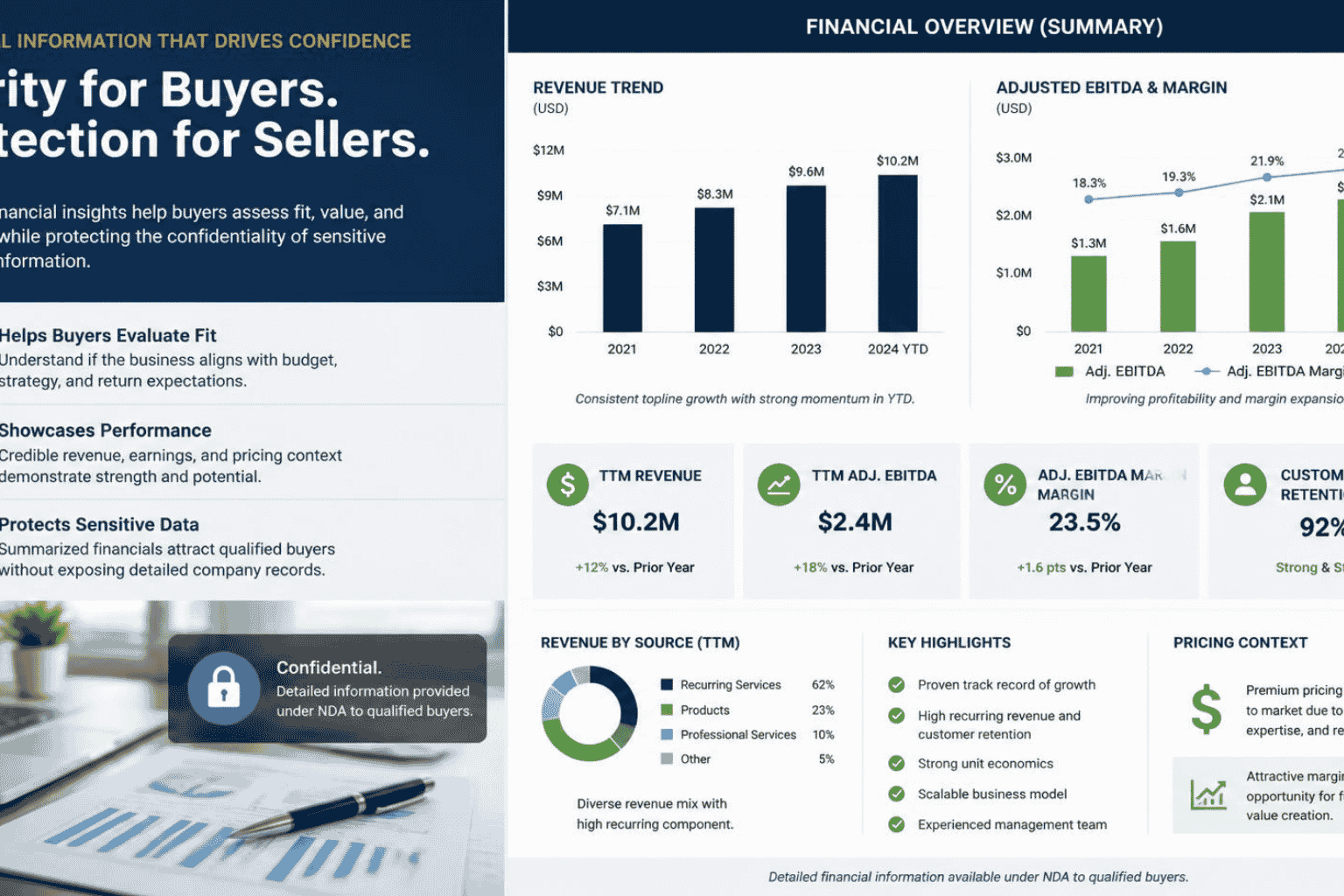
Many business owners believe revenue growth automatically increases enterprise value. In reality, buyers, investors, and strategic partners evaluate much more than top-line performance. A business may generate strong revenue but still face valuation gaps if margins are inconsistent, systems are weak, leadership is owner-dependent, or financial reporting lacks clarity.
The enterprise value gap is the difference between what an owner believes the business is worth and what the market is likely to recognize. Strategic advisory helps identify this gap early by reviewing operational strength, financial discipline, scalability, risk exposure, and transition readiness. This allows owners to address value-limiting issues before they affect funding, succession, or exit outcomes.
Businesses that proactively close enterprise value gaps are better positioned for growth, investment, and future transactions. Value is not created only by working harder—it is created by building a business that is structured, transferable, and strategically aligned.
Explore EIN Business Advisors →
Frequently Asked Questions
What is an enterprise value gap?
It is the difference between what an owner expects the business to be worth and what buyers or investors may realistically value it at.
Why does revenue alone not determine business value?
Because valuation also depends on margins, systems, risk, leadership depth, and transferability.
Can advisory help improve enterprise value?
Yes, strategic advisory can identify value gaps and help strengthen the business before major decisions or transactions.
 Enterprise value depends on structure, systems, leadership depth, and financial clarity—not revenue alone.