

Capital Readiness in 2026: What Funding Providers Actually Evaluate Before Saying Yes
Capital Readiness in 2026: What Funding Providers Actually Evaluate Before Saying Yes
In 2026, capital is available—but it is more disciplined. Businesses that approach funding casually often experience delays, weak terms, or repeated rejection. The difference between getting funded and getting stalled is rarely the idea. It’s readiness. Lenders and investors fund businesses that demonstrate financial clarity, risk discipline, and a credible plan for deploying capital.
Many owners treat capital as a rescue tool or a last-minute growth push. That mindset leads to urgency, and urgency weakens negotiation leverage. The best funding outcomes occur when owners prepare before they need the capital. Readiness turns funding from a scramble into a strategy.
Funding Readiness vs. Funding Need
Capital providers don’t fund “need.” They fund “return.” Whether it’s debt, equity, or alternative funding, providers evaluate how capital will produce measurable outcomes. If a business cannot show where the money goes and how it returns, funding either slows or becomes expensive.
What Capital Providers Evaluate First
In early-stage and growth-stage funding, evaluation patterns are consistent. Most capital providers focus on:
- Financial clarity: clean P&L, balance sheet, cash flow understanding.
- Revenue durability: recurring revenue, retention, predictable demand.
- Margin discipline: profitability trends and controllable cost structure.
- Leadership credibility: execution capability, governance, decision maturity.
- Use-of-funds clarity: exact allocation and measurable ROI expectations.
The Three Outcomes of Being Unprepared
Businesses that enter funding conversations without readiness typically experience one of three outcomes:
- Delay: repeated requests for documentation and clarity.
- Discounting: worse terms due to higher perceived risk.
- Denial: rejection because confidence cannot be established.
A Practical Funding Readiness Checklist
Most businesses can improve funding outcomes dramatically by preparing these core assets:
- Clean financial statements (and clear owner add-backs if relevant)
- 12–24 month projections tied to realistic assumptions
- Use-of-funds plan with measurable milestones
- Risk overview (concentration, dependencies, liabilities)
- Growth narrative that connects strategy to financial outcomes
Why Capital Strategy Protects Control
Funding decisions shape ownership, flexibility, and future risk. Poorly structured funding can create long-term constraints: restrictive covenants, dilution, or repayment pressure that limits strategic options. A disciplined capital strategy ensures funding supports the business instead of controlling it.
In 2026, the strongest businesses treat capital like a tool—not a lifeline. They prepare early, negotiate from strength, and choose funding structures aligned with long-term objectives.
Want better funding outcomes with stronger readiness?
Explore how EIN Business Funding supports capital strategy and readiness.
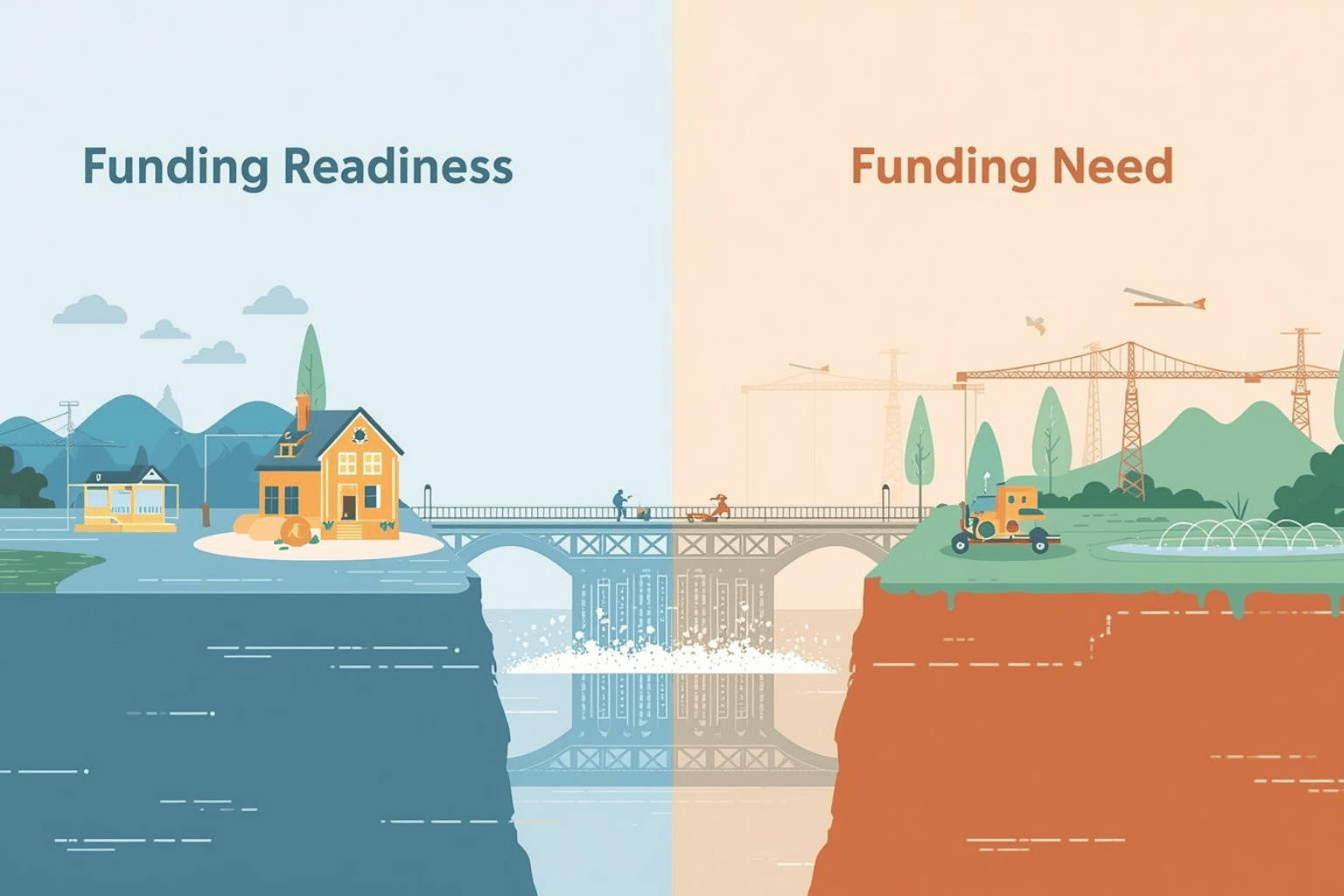 Funding Readiness vs. Funding Need