

Capital Stack Awareness: How Businesses Choose Smarter Funding Mixes for Growth
Many businesses think about funding in simple terms: loan or equity. In reality, growth-stage financing often involves a broader capital stack with multiple layers of funding, each carrying different implications for control, cost, flexibility, and risk. Without understanding how these layers interact, businesses may choose capital structures that create pressure later.
Capital stack awareness helps leadership evaluate how different funding components work together. This may include senior debt, working capital support, equity, revenue-based financing, or other instruments depending on the stage and structure of the business. The key is not just securing capital—it is building a mix that supports growth without weakening long-term stability.
Businesses that understand their capital stack tend to make more strategic funding decisions. Instead of treating capital as a short-term solution, they evaluate how funding structure affects cash flow, ownership, negotiation leverage, and future financing options. In a more disciplined market, smarter capital mix decisions often create better growth outcomes.
Explore EIN Business Funding →
Frequently Asked Questions
What is a capital stack in business funding?
It refers to the different layers of financing used in a business, such as debt, equity, and other capital instruments.
Why is capital stack awareness important?
It helps businesses understand how funding choices affect control, cash flow, flexibility, and future growth.
Can the wrong funding mix create problems later?
Yes, poorly structured capital can increase pressure, reduce flexibility, and complicate future financing decisions.
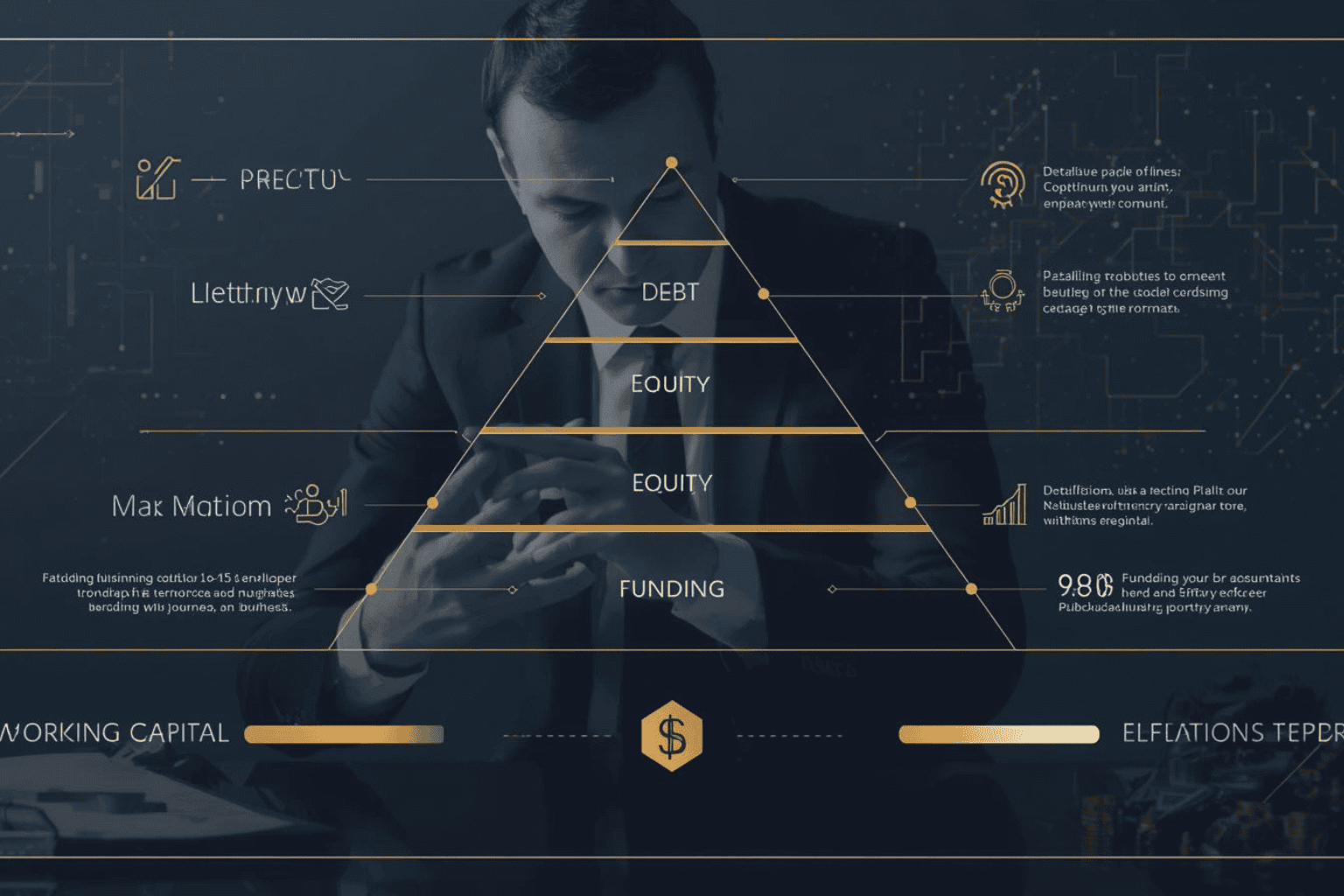 Understanding the full capital stack helps businesses choose funding structures that support growth without unnecessary strain.