

Returns Management Is Becoming a Profitability Lever for Modern Retailers
Returns management is becoming a profitability lever for modern retailers. Returns affect transportation, labor, inventory accuracy, product value, customer service, and working capital across both physical and digital commerce.
A returned product may be restocked, repaired, refurbished, liquidated, recycled, or written off. Retailers that make these decisions slowly may lose more value as products age, seasons change, or handling costs increase.
Better returns management includes clear customer policies, fast inspection, fraud controls, accurate disposition rules, supplier coordination, and visibility into why products are being returned. Return data can also reveal product-quality and merchandising problems.
Strategic support from EIN Business Consulting can help retail businesses evaluate inventory, customer experience, and reverse-logistics improvement opportunities.
FAQs
What is returns management?
Returns management is the process of receiving, evaluating, routing, and recovering value from products returned by customers.
How does it affect profitability?
It affects shipping, labor, inventory value, fraud losses, customer service, and the ability to resell or recover returned products.
How can retailers improve returns?
They can accelerate inspection, define disposition rules, analyze return reasons, control fraud, and coordinate inventory and supplier processes.
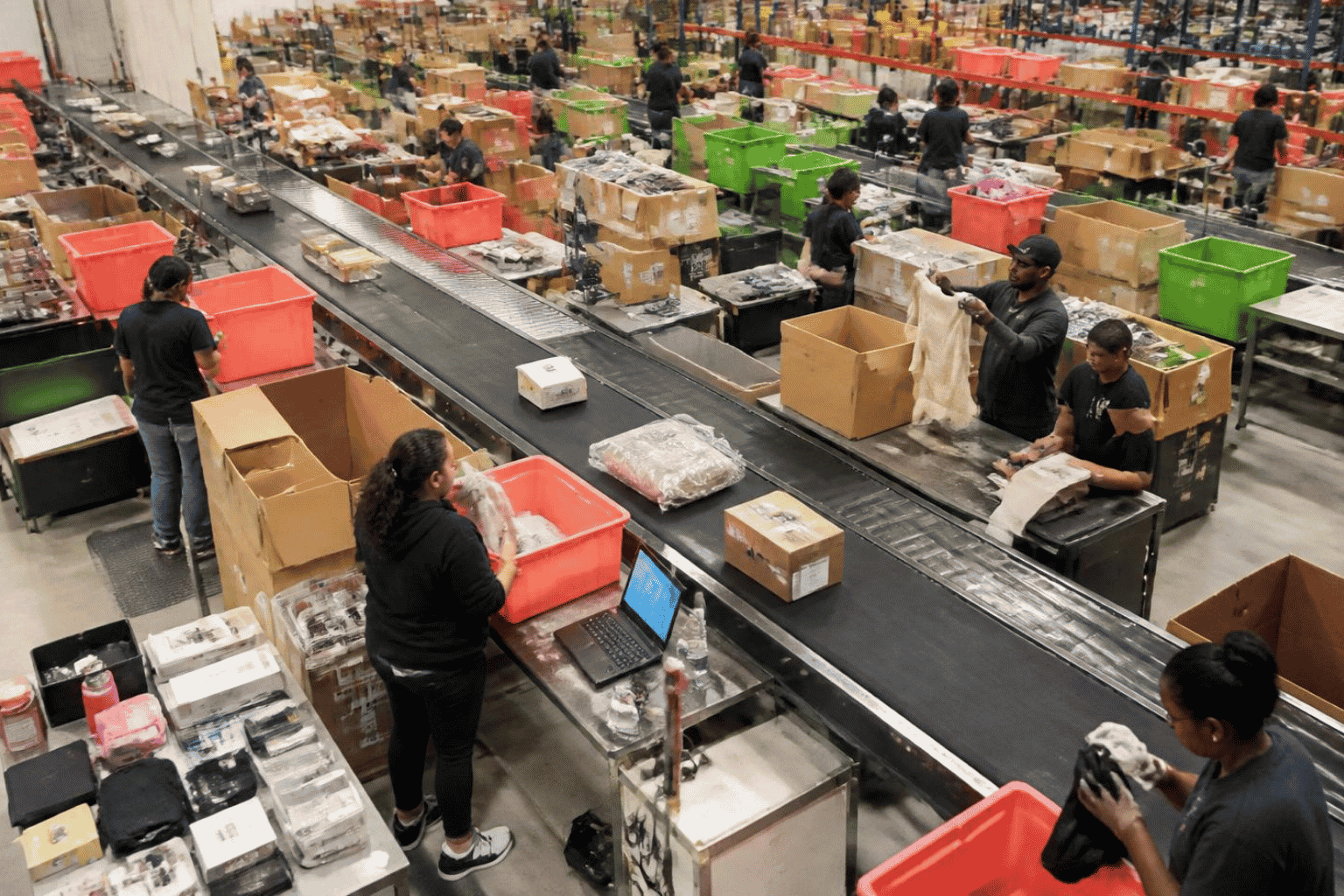 Returns management is helping retailers recover product value, control reverse-logistics costs, and improve customer experience.