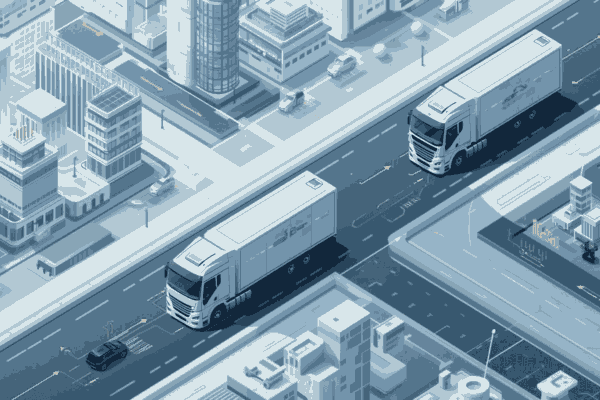
Digital Twins

Digital Twins Gain Traction as U.S. Industries Prioritize Real-Time Operational Simulation

Digital twin technology—virtual replicas of physical systems—is becoming a major focus for U.S. companies aiming to improve accuracy in planning and operational performance. Manufacturing, logistics, construction, and energy firms are increasingly investing in digital simulation tools to model outcomes, reduce risk, and optimize decision-making. The appeal of digital twins lies in their ability to test…

Read More
Predictive AI Tools

Predictive AI Tools Are Becoming Essential for 2026 Business Strategy Planning

Predictive AI tools are gaining traction across U.S. companies as leaders prepare for the complexities of 2026. These tools provide improved accuracy in forecasting demand, pricing strategies, operational bottlenecks, and customer behavior—giving businesses more confidence in decision-making. Organizations that adopt predictive analytics early are seeing measurable improvements in efficiency and performance. From retail to transportation,…

Read More
Smart Automation

How Smart Automation Is Redefining U.S. Workplace Productivity for 2026

Smart automation technologies are accelerating across U.S. organizations as businesses seek cost-efficient ways to increase productivity. From automated scheduling tools to AI-driven customer support, companies are integrating intelligent systems to reduce manual workload and improve operational accuracy. The shift toward automation is not just about replacing repetitive tasks—it’s reshaping how teams execute strategic functions. Businesses…

Read More
AI-Driven Business Decision-Making

AI-Driven Business Decision-Making: How Leaders Are Preparing for the Next Decade

Artificial intelligence is rapidly shifting from experimental adoption to an essential part of business strategy. In 2026 and beyond, U.S. companies are expected to rely heavily on AI for forecasting, operational planning, customer segmentation, and revenue modeling. This shift is driven by the increasing pressure to operate leaner, make faster decisions, and identify opportunities before…

Read More
Drones Are Transforming Last-Mile Delivery

How Drones Are Transforming Last-Mile Delivery

How Drones Are Transforming Last-Mile Delivery Drones are emerging as a game-changing solution for last-mile delivery by reducing costs, shortening delivery times, and increasing accessibility. With the ability to bypass road congestion and reach remote locations quickly, drones offer a faster and more efficient alternative to traditional delivery methods. This technology is especially valuable for…

Read More
Battery Innovation

Why Battery Innovation Is Critical for the Future of Mobility

Why Battery Innovation Is Critical for the Future of Mobility Battery technology is at the center of next-generation mobility, powering electric vehicles, smart devices, and advanced transportation systems. Improvements in battery capacity, charging speed, and lifespan are enabling faster adoption of electric fleets and reducing the limitations associated with traditional energy sources. Innovations such as…

Read More
Mobility-as-a-Service

The Role of Mobility-as-a-Service in Modern Transportation

The Role of Mobility-as-a-Service in Modern Transportation Mobility-as-a-Service (MaaS) combines multiple transportation options into a single digital interface, allowing users to plan, book, and pay for trips seamlessly. This model shifts mobility from vehicle ownership to on-demand access, providing flexibility and reducing personal transportation costs. Businesses and cities benefit from optimized travel and reduced congestion….

Read More
Smart Mobility Platforms

How Smart Mobility Platforms Improve Urban Transportation

How Smart Mobility Platforms Improve Urban Transportation Smart mobility platforms are transforming how people move within cities by integrating public transit, ride-sharing, micro-mobility, and navigation systems into unified digital experiences. These platforms help reduce congestion, improve travel efficiency, and support more sustainable urban environments. Cities benefit from improved planning and residents enjoy more convenient mobility…

Read More
Autonomous Vehicles

Why Autonomous Vehicles Will Redefine Business Logistics

Why Autonomous Vehicles Will Redefine Business Logistics Autonomous vehicles (AVs) are poised to revolutionize logistics by improving safety, reducing labor costs, and enabling continuous operation. As self-driving technology advances, businesses can expect more reliable transportation networks with fewer delays and greater efficiency. This shift will have a major impact on industries dependent on frequent and…

Read More
Electric Vehicles

How Electric Vehicles Are Accelerating the Future of Transportation

How Electric Vehicles Are Accelerating the Future of Transportation Electric vehicles (EVs) are transforming global transportation by offering cleaner, quieter, and more efficient alternatives to traditional fuel-based systems. As battery technology improves and charging networks expand, EV adoption continues to grow across personal use, logistics, and commercial fleets. Businesses are increasingly recognizing the cost savings…

Read More