

Enterprise Exchange Models

Enterprise Exchange Models Enable Smarter Business Connections and Growth Opportunities

Enterprise exchange activity is expanding as business owners, investors, and operators explore strategic opportunities. A professional business marketplace enables smarter connections, collaborative partnerships, and better-aligned deals. Enterprise exchange platforms are evolving, providing a transparent environment for businesses to connect, share opportunities, and find like-minded partners. From early discussions to full transactions, these platforms help businesses…


Read More
Hospitality Sector

Hospitality Sector Shifts Toward Experience-Driven Models to Stay Competitive

The hospitality sector is pivoting toward experience-driven models as consumers increasingly demand personalized, seamless experiences. Hotels, resorts, and service providers are utilizing technology to offer tailored experiences and enhance customer satisfaction. As businesses focus on post-pandemic recovery, streamlining operations and ensuring guest safety remain essential. Technology investments in contactless services, digital check-ins, and personalized recommendations…

Read More
Traditional Financial Systems

Banking and Fintech Innovation Continues to Disrupt Traditional Financial Systems

Banking and fintech innovation continues to disrupt traditional financial systems, providing businesses with faster, more cost-effective solutions. From real-time payments to blockchain-enabled transactions, companies are increasingly adopting digital financial tools to enhance efficiency. U.S. businesses are benefitting from a wide range of fintech solutions, including AI-driven credit scoring, automated loan approvals, and seamless digital wallets….

Read More
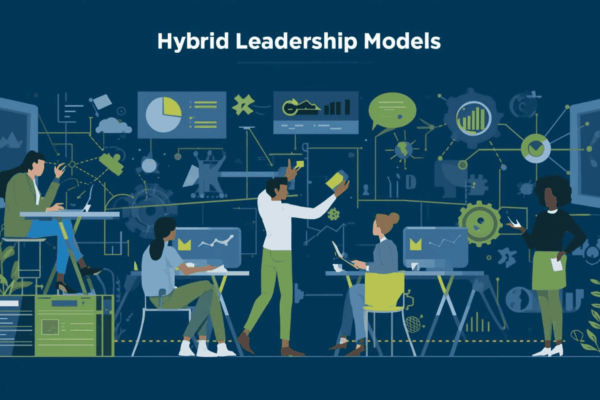
Hybrid Leadership Models

Future of Work Adapts as Companies Embrace Hybrid Leadership Models

As 2026 unfolds, companies are continuing to adapt to the future of work with hybrid leadership models that blend flexibility with accountability. The evolving workforce demands greater autonomy, but companies are maintaining performance metrics to ensure that results remain a priority. Businesses are increasingly investing in leadership development programs that help managers navigate the complexities…

Read More
Energy and Climate Challenges

Energy and Climate Challenges Drive Strategic Innovation in 2026

Energy and climate change continue to drive strategic innovation as businesses prepare for a new era of environmental responsibility and sustainability. Organizations across sectors are investing in cleaner technologies, renewable energy, and carbon-neutral solutions. In the U.S., energy-intensive industries such as manufacturing, transportation, and construction are exploring ways to reduce their environmental footprint while improving…

Read More
Ownership and Investment

Ownership and Investment Structures Evolve Toward Alignment and Control

Investing and ownership strategies in 2026 are evolving toward greater alignment between capital, governance, and operational control. Investors are seeking structures that support long-term value creation rather than passive returns. Minority stakes, phased ownership, and partnership-based models are becoming more common, particularly in middle-market businesses. For founders, thoughtful ownership planning supports succession readiness, governance clarity,…

Read More
Valuation Strategy

Valuation Strategy Remains Central to Successful M&A Transactions

Valuation strategy continues to play a defining role in M&A activity. Buyers are prioritizing cash-flow stability, documented operations, and management depth over short-term growth metrics. Prepared sellers—those with clean financials and operational transparency—are achieving stronger valuation outcomes and faster deal cycles. Valuation is increasingly viewed as an ongoing strategic process rather than a one-time calculation….

Read More
Investment and Capital Planning

Macro Trends Continue to Shape Investment and Capital Planning

Markets in January 2026 remain influenced by macroeconomic dynamics such as interest rates, sector rotation, and global capital flows. Rather than broad market swings, performance is increasingly driven by fundamentals. Infrastructure-linked sectors, healthcare, and essential services continue to attract steady investment interest, while speculative segments remain selective. For business owners, understanding macro conditions is critical…

Read More
Multiple Industries

Infrastructure Development Sustains Demand Across Multiple Industries

Infrastructure and development initiatives continue to provide long-term demand stability across construction, logistics, engineering, and manufacturing sectors. Public and private investment pipelines remain active entering 2026. Companies involved in infrastructure projects are investing in digital tools, workforce training, and process efficiency to manage complexity and scale. Predictable demand and extended project timelines support stronger operational…

Read More
Startups in 2026

Startups in 2026 Focus on Scalable Innovation and Real-World Impact

Startup innovation in 2026 is increasingly centered on scalability and execution. Founders are prioritizing solutions that address operational challenges across logistics, finance, healthcare, and enterprise technology. Lean operating models and faster validation cycles are allowing startups to reach market relevance sooner while conserving capital. Investors are favoring startups that demonstrate early traction, repeatable revenue, and…

Read More