

Hospitality Operators Are Using Dynamic Pricing to Protect Margins and Demand
Hospitality operators are increasingly using dynamic pricing to protect margins and respond to changing demand in 2026. Hotels, resorts, and leisure businesses are adjusting pricing based on occupancy, seasonality, booking behavior, and market conditions.
This approach helps operators avoid leaving revenue on the table during high-demand periods while staying competitive during slower periods. Data-driven pricing can improve profitability without relying only on higher volume.
Successful dynamic pricing requires clean data, market awareness, and operational coordination. Pricing decisions must align with customer experience, brand positioning, and long-term revenue goals.
Strategic support from EIN Business Consulting can help hospitality businesses evaluate revenue management and operating performance strategies.
FAQs
What is dynamic pricing?
Dynamic pricing adjusts rates based on demand, timing, availability, and market conditions.
Why does it matter in hospitality?
It helps businesses manage occupancy, revenue, and profitability more effectively.
What supports better pricing decisions?
Accurate data, demand forecasting, competitor analysis, and clear revenue goals.
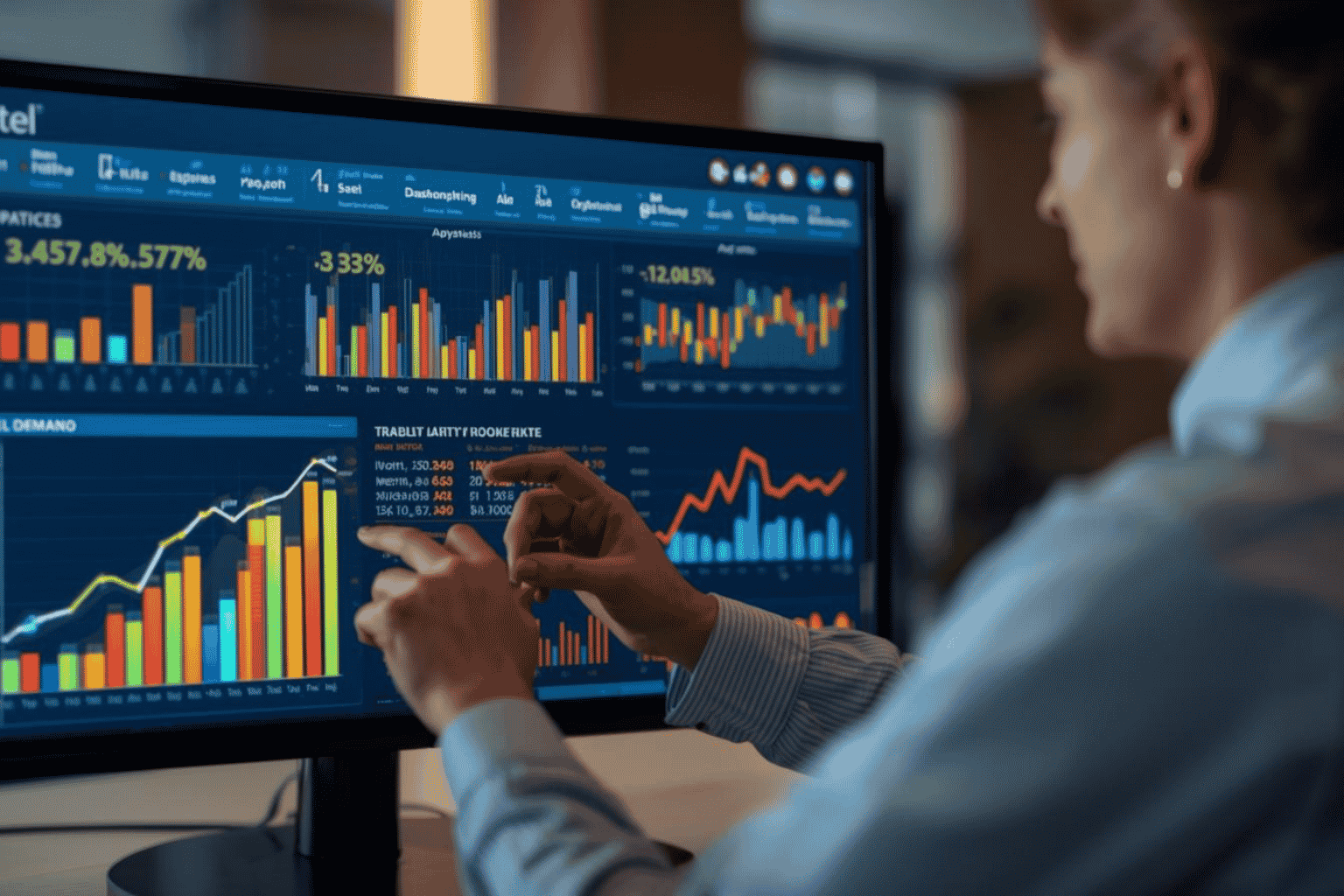 Dynamic pricing is helping hospitality businesses balance demand, occupancy, and profitability.