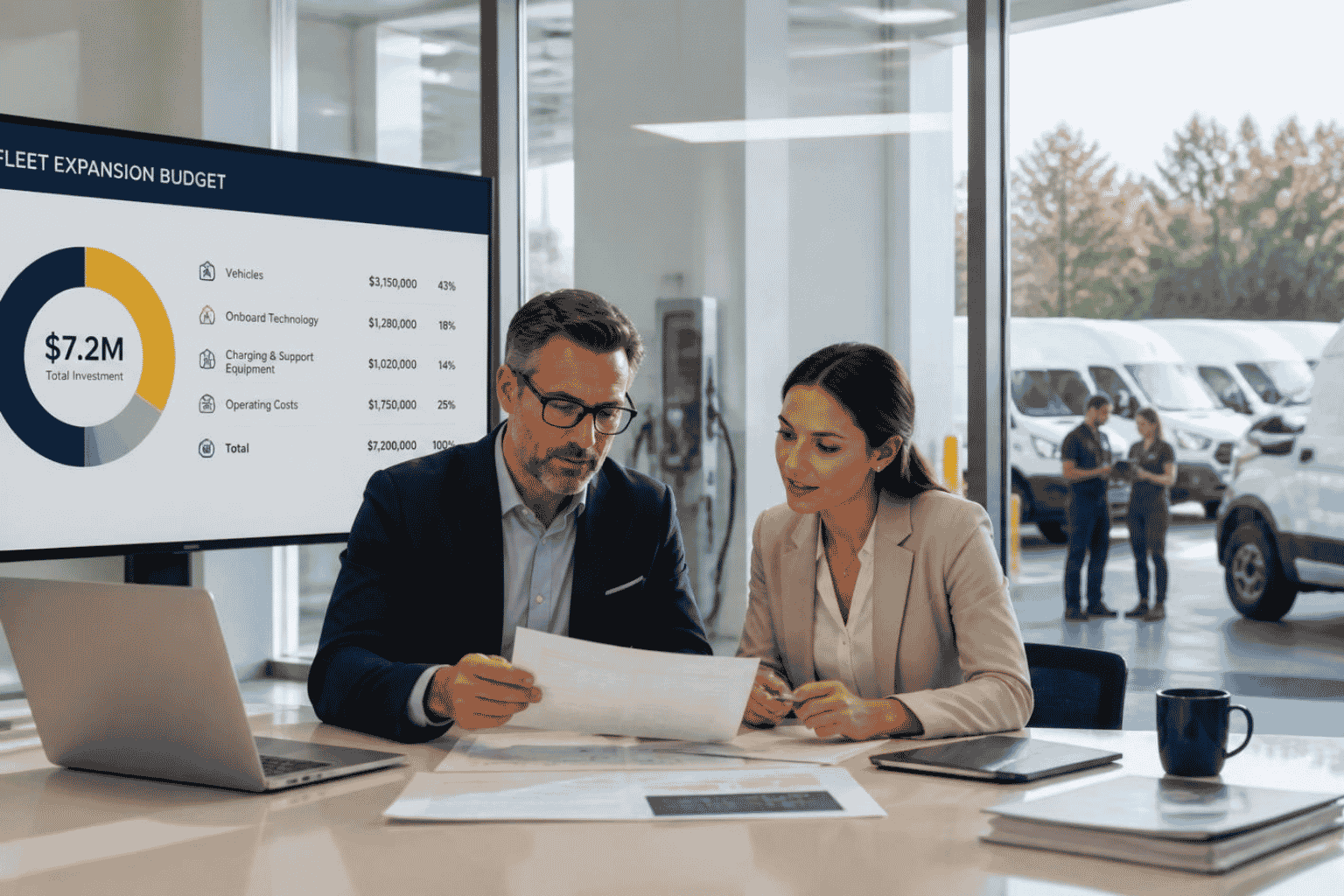

Autonomous Fleet Coordination Is Moving Closer to Commercial Operations
Autonomous fleet coordination is moving closer to commercial operations. Transportation companies are exploring how connected vehicles, route intelligence, remote supervision, and automated decision systems can work together across delivery, logistics, industrial, and passenger environments.
The opportunity extends beyond a single self-driving vehicle. Fleet coordination can help manage dispatching, charging, maintenance, traffic conditions, delivery priorities, and responses to unexpected events across multiple assets.
Commercial adoption will require reliable technology, clear operating boundaries, cybersecurity, safety controls, infrastructure compatibility, and trained human supervisors. Companies must also define how automated systems escalate unusual situations.
Strategic implementation support from EIN Business Consulting can help organizations evaluate next-generation mobility opportunities and operational readiness.
FAQs
What is autonomous fleet coordination?
Autonomous fleet coordination uses connected systems to manage the movement, scheduling, charging, maintenance, and supervision of multiple automated vehicles.
Where can it be used?
It may be used in logistics, delivery, warehouses, industrial sites, campuses, ports, and passenger transportation.
What must businesses prepare?
Businesses must prepare safety controls, infrastructure, cybersecurity, human oversight, maintenance processes, and exception-response procedures.
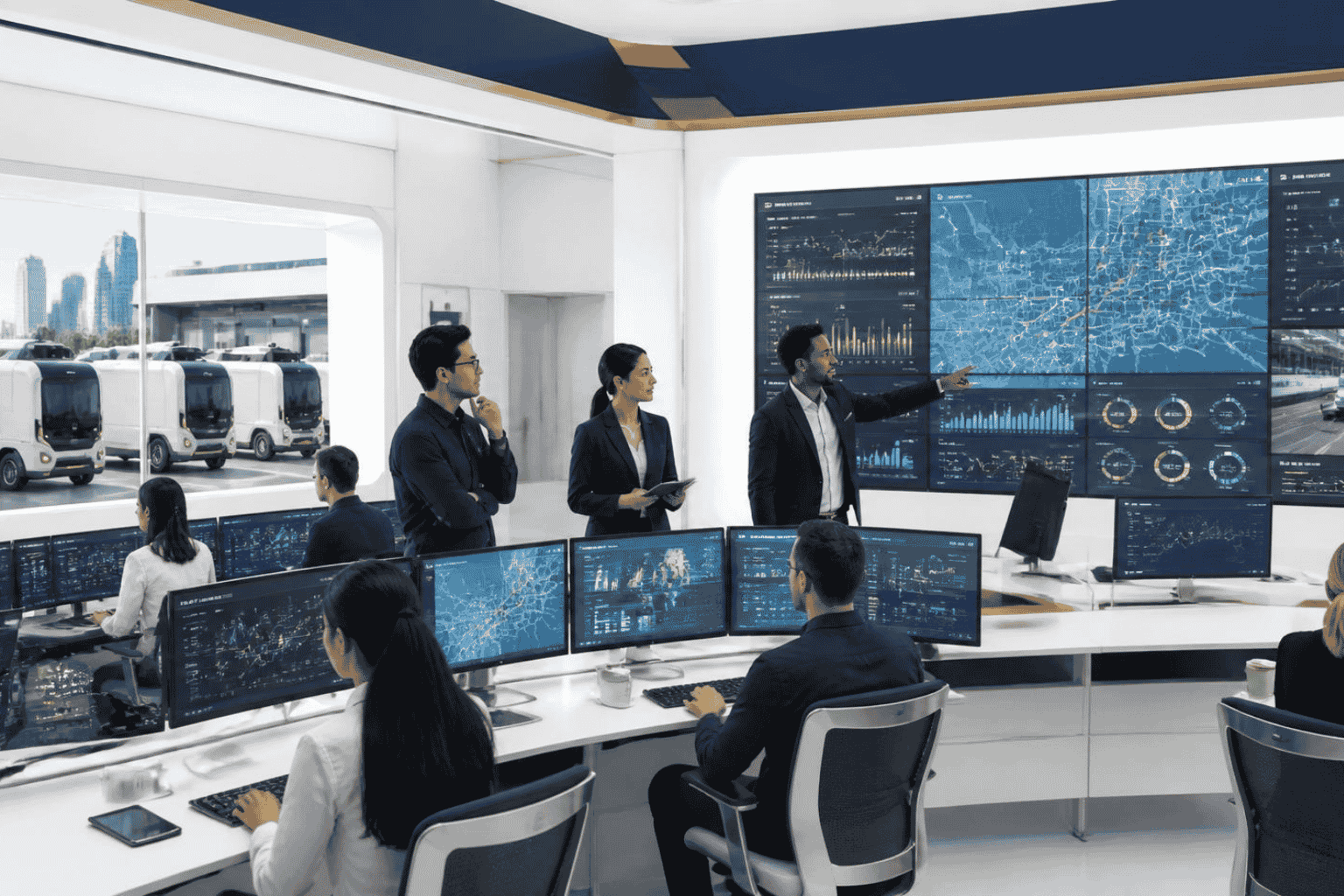 Autonomous fleet coordination is advancing as transportation operators connect vehicles, routes, safety systems, and human oversight.