Commercial Real Estate Financing for a Business: Separate Property, Build-Out and Working Capital Before You Apply
Buying a commercial property for an operating business can create several financing needs at the same time. The purchase price is obvious. The less obvious costs often appear immediately after the property is acquired.
Renovation, build-out, equipment, moving expenses and operating liquidity can materially increase the total amount of capital required before the business is fully operational in the new location.
If your company has already identified a property and knows the approximate purchase price and business use, complete the EIN Business Funding Quick Lead Pre-Qualification using the actual transaction and operating numbers.
Start With the Property Purchase Price
Know the agreed or expected property cost and how much buyer capital is available.
The financing structure should distinguish the purchase itself from the additional money required to prepare the property for business operations.
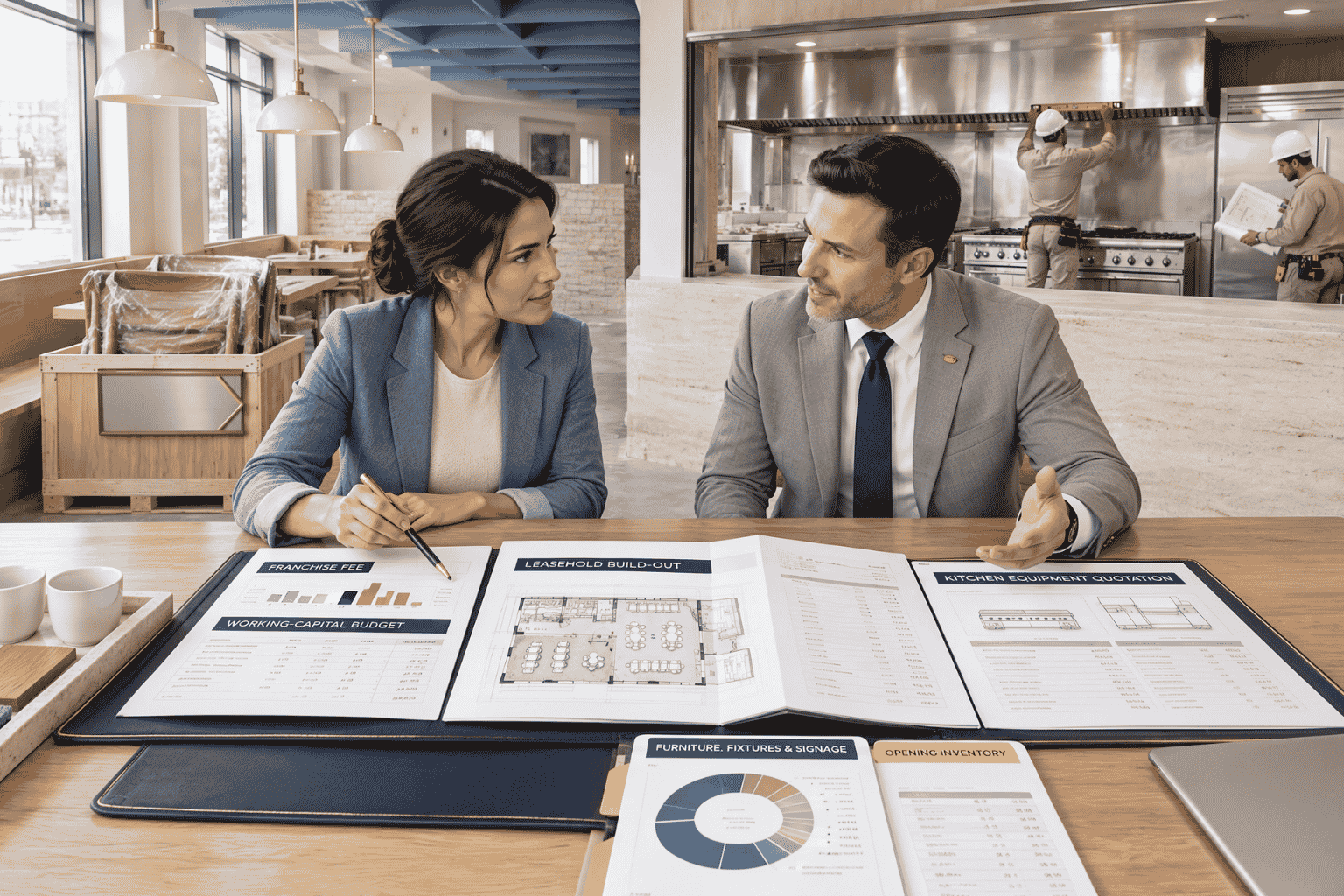
Build-Out Can Become a Separate Capital Need
A property that fits the location and size requirements may still need significant work.
Depending on the business, build-out can include:
- Interior construction
- Electrical upgrades
- Plumbing
- HVAC
- Accessibility improvements
- Specialized utility requirements
- Production or warehouse modifications
- Office or customer-facing improvements
The business should understand the complete improvement budget before finalizing the funding request.
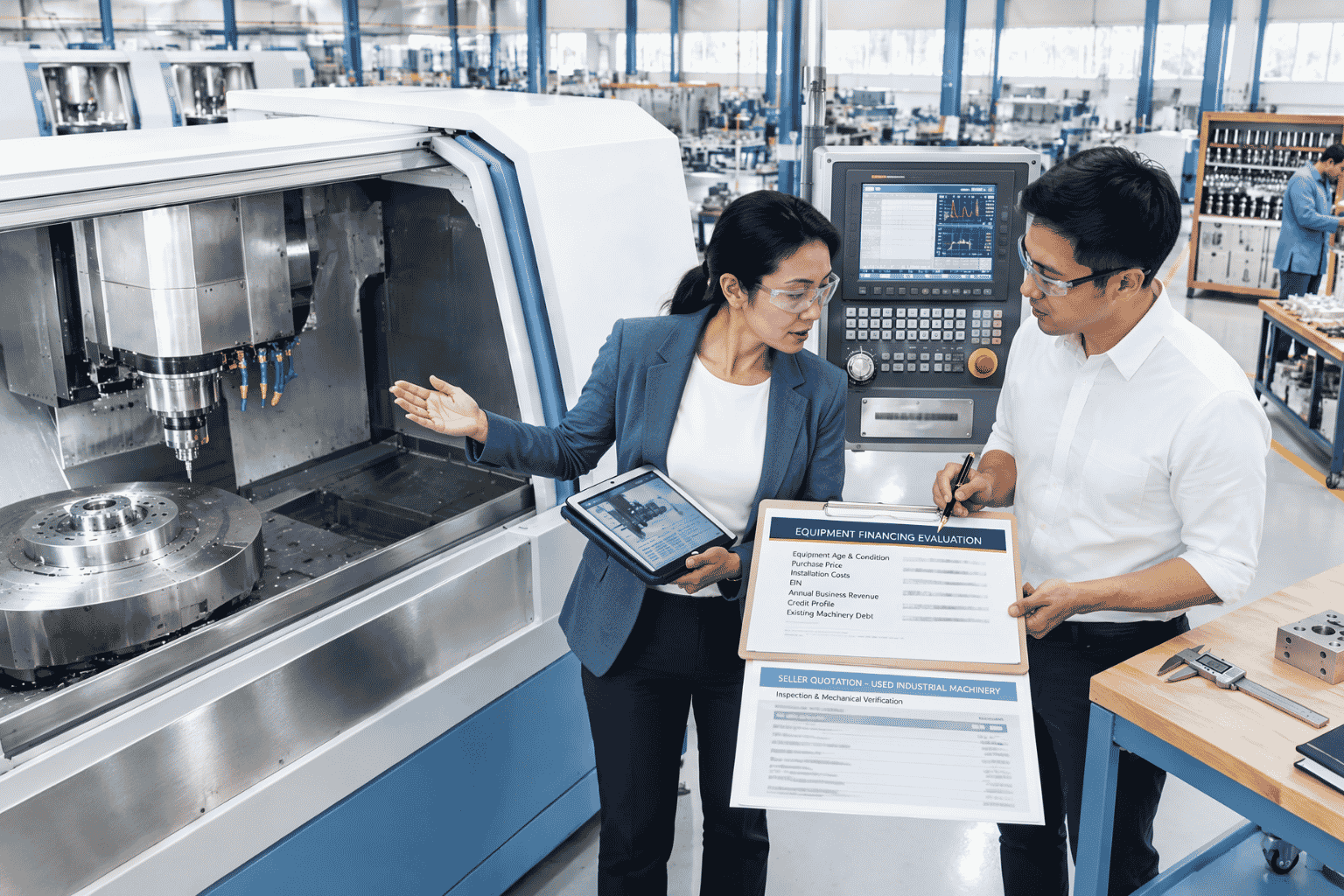
Equipment Should Be Identified Separately
A manufacturer purchasing an industrial building may also need machinery. A medical practice may need clinical equipment. A restaurant may require kitchen systems. A warehouse may need forklifts or racking.
Those assets can represent a different use of funds from the real estate itself.
Do Not Forget Working Capital
Moving into a new property can create temporary operating pressure.
The company may face moving costs, overlapping occupancy expenses, employee disruption, inventory purchases or reduced revenue during the transition.
Preserving cash for operations can be just as important as funding the property purchase.
Why Owner-Occupied Property Is Different From a Pure Investment Property
When the operating company intends to use the property for its own business activities, the financing discussion includes both the real estate and the financial strength of the operating business.
A purely passive real estate investment can involve a different underwriting and financing framework.
Business owners should accurately describe how the property will be used rather than assuming every commercial real estate loan works the same way.
Could SBA Financing Be Worth Evaluating?
Depending on the business, property use and transaction, SBA-backed financing may be one category worth reviewing for qualifying owner-occupied commercial real estate or long-term fixed assets.
Eligibility and structure depend on the specific program, participating lender and borrower profile. Not every commercial property or transaction qualifies.
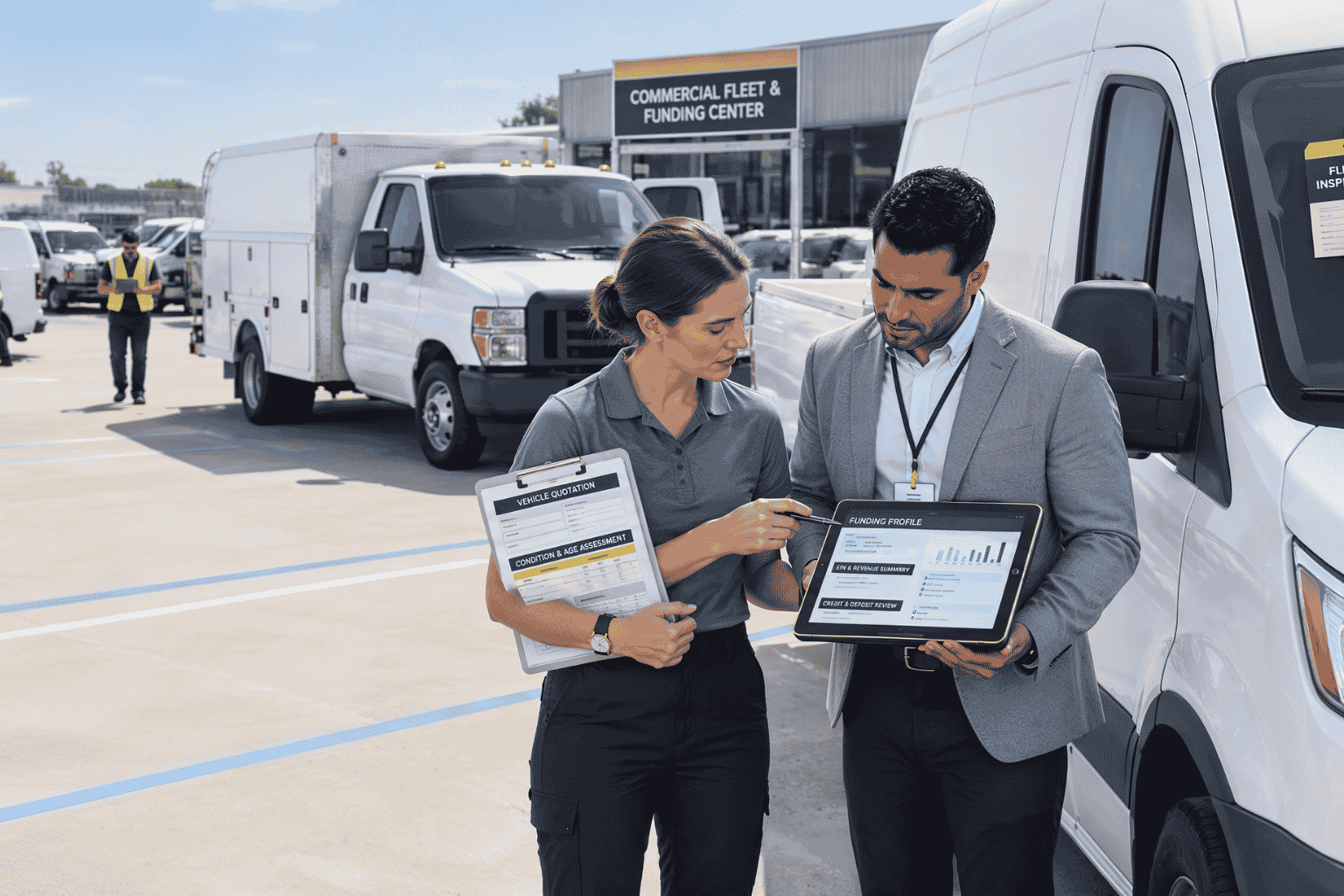
Existing Business Debt Still Matters
A business purchasing real estate may already carry equipment loans, vehicle financing, credit lines or other obligations.
Prepare those balances before seeking another major financing facility.
The provider may evaluate whether the operating company can support both existing debt and the proposed property obligation.
Property Cash Requirement and Business Cash Requirement Are Different
The buyer may need capital for the property contribution and closing-related expenses while also needing cash to maintain ordinary business operations.
Using every available dollar for the real estate transaction can create a liquidity problem after the business moves.
What if the Property Needs Major Renovation?
Obtain realistic contractor estimates before finalizing the financing amount.
A building purchased below market value can become expensive if electrical, structural, mechanical or business-specific improvements are substantial.
Financing should be based on the real project rather than an optimistic renovation estimate.
What Should Be Ready Before Funding Review?
- Property purchase price
- Business use of the property
- Buyer contribution available
- Estimated closing-related cash requirement
- Build-out or renovation budget
- Equipment requirement
- Post-move working-capital need
- Annual business revenue
- Current business cash flow
- Existing business debt
- Current credit profile
Do Not Mix Every Cost Into One Number
A request for “$1 million for a building” may actually represent several different uses of funds.
For example, the property could cost $800,000 while another $120,000 is needed for improvements, $40,000 for equipment and $40,000 for transition liquidity.
Separating those components makes the financing requirement easier to understand.
Plan the Property and the Business Together
The real estate should support the operating company rather than consume so much cash that the company struggles after moving.
A strong commercial property financing plan therefore considers the building, improvements, equipment, existing debt and the cash the business needs to continue operating.
If you have already selected a commercial property and are calculating the complete capital requirement, use the EIN Business Funding pre-qualification to present the property purchase and business funding needs clearly.
FAQs
Can commercial real estate financing include build-out costs?
Potentially, depending on the financing structure and provider. Businesses should identify property acquisition and improvement costs separately.
Should equipment be included in the commercial property budget?
It should be included in the overall capital plan, but equipment should be identified separately from the property purchase and build-out.
Why should working capital be preserved when buying business property?
The company still needs cash for payroll, suppliers, inventory and transition expenses after the real estate transaction closes.
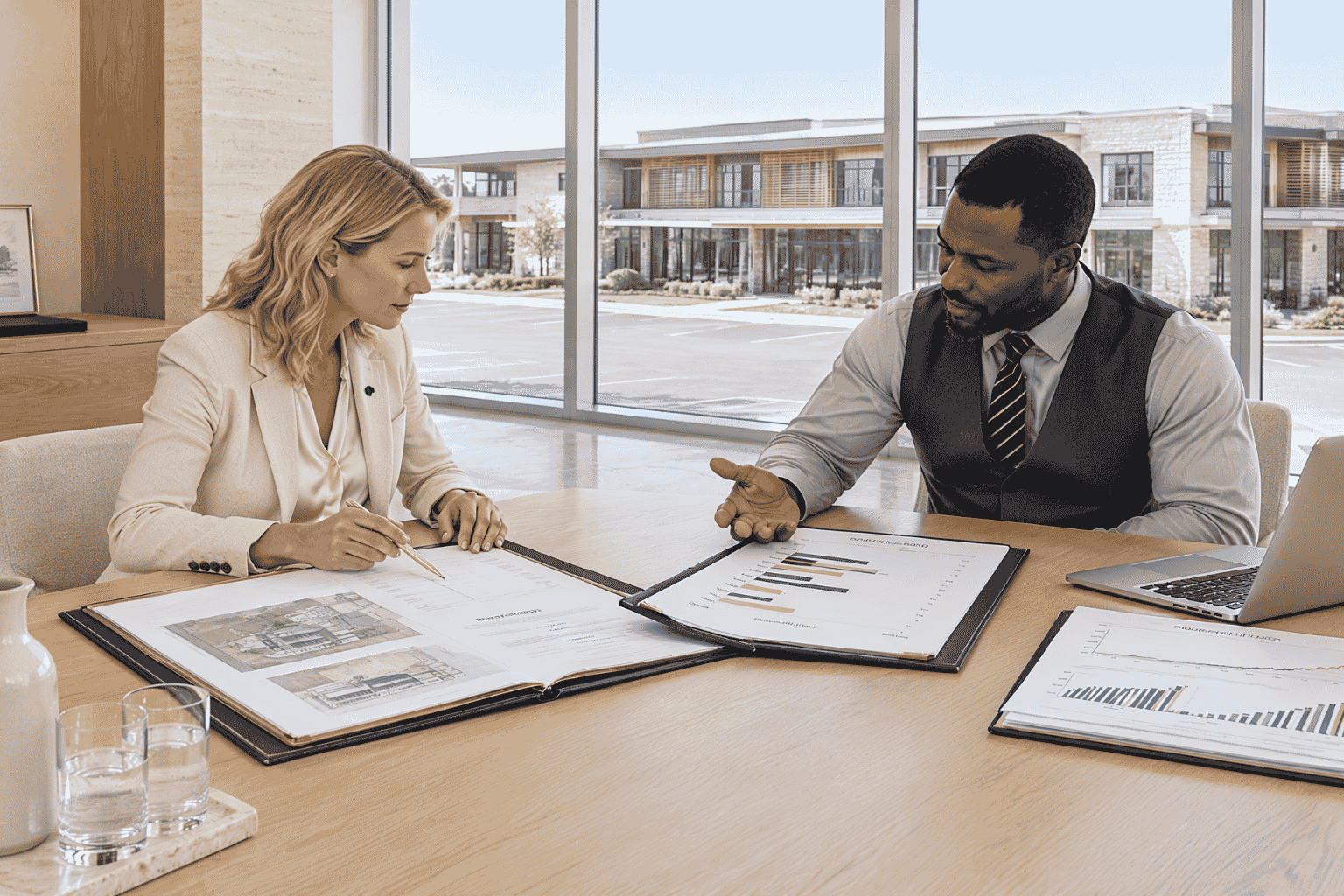 A commercial property purchase can require separate capital for the building, build-out, equipment and continued business operations.