Business Funding Readiness: How to Prepare Before Seeking Capital
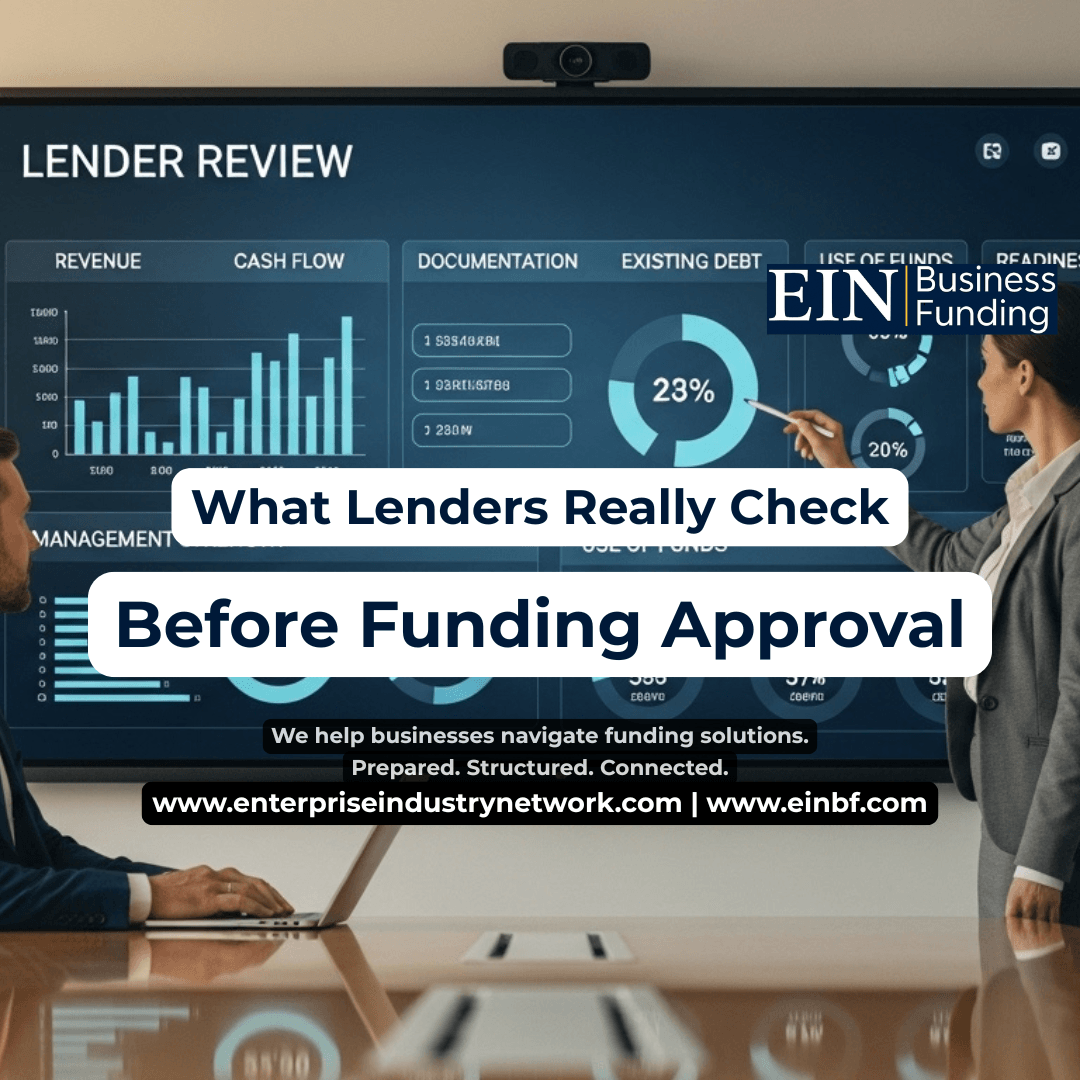
How can business owners and buyers prepare before seeking capital? Business funding readiness starts before the need becomes urgent. A stronger funding conversation usually begins with clear financial information, organized documentation, a defined use of funds, and a realistic understanding of repayment capacity.
Funding readiness is not only about whether capital may be available. It is about understanding what the business needs, why the capital is needed, which funding structures may fit, and whether the company is financially prepared to support the obligation.
In this short educational video, EIN Business Funding (EINBF), part of Enterprise Industry Network (EIN), explains how business owners and buyers can prepare before approaching potential funding sources.
What Is Business Funding Readiness?
Business funding readiness is the process of preparing the company, financial records, capital request, and supporting information before applying for financing.
A funding-ready business should be able to clearly explain:
- How much capital is needed.
- Why the business needs the funding.
- How the funds will be used.
- Current revenue and cash flow.
- Existing debt and financial obligations.
- How repayment may be supported.
- Which documents are available.
- Which financing structure may fit the need.
Clarify the Capital Need Before Applying
One of the first steps in funding readiness is defining exactly what the capital will support.
Possible funding needs may include:
- Working capital.
- Equipment purchases.
- Inventory.
- Business expansion.
- Acquisition financing.
- Invoice financing.
- Refinancing.
- Business lines of credit.
- Pre-exit improvements.
- Other qualified business needs.
A specific capital purpose can make it easier to evaluate which funding options may be appropriate.
Organize Financial Documents Early
Funding providers may ask for financial records to understand the company’s performance, cash flow, obligations, and overall financial condition.
Depending on the funding product and provider, business owners may need to prepare:
- Business bank statements.
- Profit-and-loss statements.
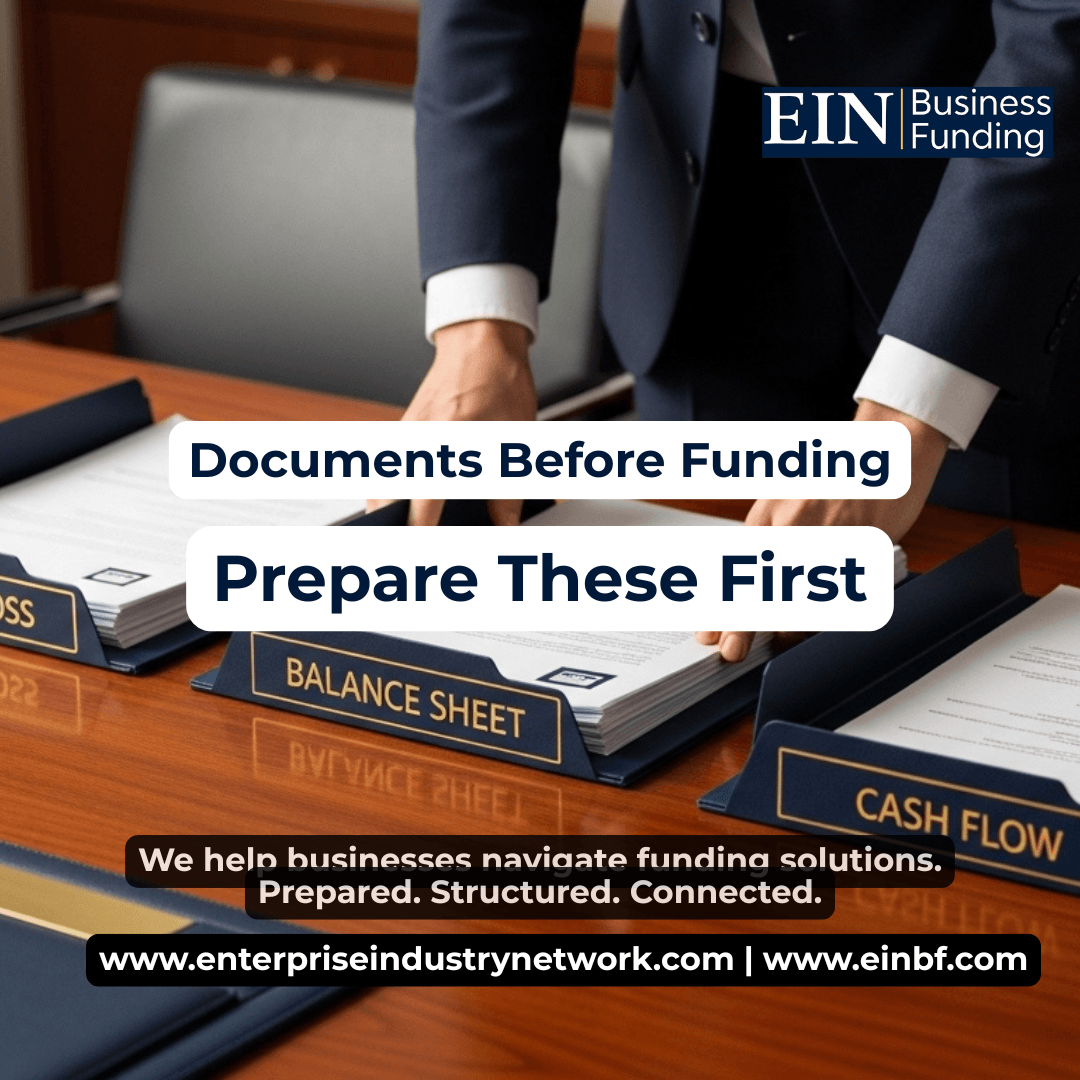
- Balance sheets.
- Business tax returns when requested.
- Existing debt schedules.
- Accounts receivable information.
- Ownership and legal records.
- Documents supporting the intended use of funds.
Organizing these records before the need becomes urgent can make the funding process easier to understand and manage.
Understand Revenue and Cash Flow
Revenue and cash flow are related but not identical. A business can generate strong sales while still experiencing cash-flow pressure because of expenses, delayed receivables, inventory requirements, seasonal fluctuations, or debt obligations.
Business owners should understand:
- Monthly revenue.
- Cash inflows and outflows.
- Operating expenses.
- Existing repayment obligations.
- Seasonal patterns.
- Customer-payment timing.
- Available working capital.
This information can help determine whether additional financing is financially sustainable.
Review Existing Debt Before Seeking More Capital
Current debt can affect both funding eligibility and repayment capacity.
Before applying, owners should know:
- Outstanding balances.
- Monthly payment obligations.
- Interest rates or financing costs.
- Remaining repayment terms.
- Collateral or guarantees.
- Any liens or secured obligations.
Understanding current debt can help prevent the business from taking on financing that creates unnecessary cash-flow pressure.
Match the Funding Structure to the Business Need
Different funding needs may require different financing structures.
Examples may include:
- Working capital for short-term operating needs.
- A business line of credit for flexible recurring access to capital.
- Equipment financing for machinery or productive assets.
- Invoice financing for unpaid receivables.
- Acquisition financing for buying an existing business.
- Refinancing for restructuring existing obligations.
- Growth capital for expansion initiatives.
The objective is not simply to obtain capital, but to choose financing that fits the use of funds, repayment capacity, timing, and broader business strategy.
Why Funding Readiness Matters for Business Buyers
Buyers seeking to acquire a business may need to prepare both their own financial information and information relating to the target company.
Acquisition-funding readiness may involve:
- Buyer equity contribution.
- Purchase price.
- Target-business cash flow.
- Seller financing.
- Working-capital needs after closing.
- Buyer financial profile.
- Acquisition documents.
- Repayment capacity.
Preparing these elements before approaching funding sources can make the transaction easier to evaluate.
Funding Readiness for Growth
Businesses planning expansion should consider whether capital will support measurable growth or simply increase financial obligations.
Growth funding may be used for:
- New equipment.
- Additional inventory.
- Hiring.
- Technology.
- Marketing.
- New locations.
- Production capacity.
- Business acquisitions.
Owners should understand the expected return from the capital and how quickly the business expects that investment to contribute to revenue or cash flow.
Funding Readiness Before a Future Sale
Owners preparing for an eventual exit may also need capital to strengthen the business before going to market.
Potential uses may include:
- Working-capital stabilization.
- Equipment upgrades.
- Operational improvements.
- Technology improvements.
- Refinancing.
- Debt restructuring.
- Other legitimate sale-readiness initiatives.
Any new financing should be considered carefully because buyers may review recent debt, cash flow, liabilities, and use of funds during due diligence.
Do Not Wait Until Capital Becomes Urgent
Funding options can become more limited when the business waits until financial pressure becomes severe.
Preparing earlier can provide more time to:
- Organize documents.
- Review financial performance.
- Improve cash-flow visibility.
- Understand existing obligations.
- Clarify the funding purpose.
- Compare financing structures.
- Address weaknesses before applying.
Funding readiness is strongest when the business approaches capital proactively rather than reactively.
How EIN Business Funding Helps with Funding Readiness
EIN Business Funding (EINBF), part of Enterprise Industry Network, helps business owners and buyers prepare for capital conversations by reviewing funding needs, organizing financial information, understanding financing options, and evaluating overall funding readiness.
Depending on the situation, potential financing needs may relate to working capital, equipment financing, acquisition financing, invoice financing, business lines of credit, refinancing, pre-exit funding, growth capital, or a broader business funding strategy.
The objective is to enter the funding process with clearer information, stronger preparation, and a better understanding of which capital options may fit the business.
Prepare Before You Need Capital
Clarify your funding need, organize your financial information, and understand your options before the capital conversation becomes urgent.
Frequently Asked Questions
What does business funding readiness mean?
Funding readiness means preparing the business, financial information, funding purpose, supporting documents, and repayment plan before seeking capital.
What should I prepare before applying for business funding?
Business owners should generally understand the amount needed, use of funds, revenue, cash flow, existing debt, repayment capacity, and available financial documents before applying.
Why should I prepare for funding before I urgently need it?
Early preparation gives business owners more time to organize records, improve financial clarity, compare funding options, and address weaknesses before financial pressure becomes severe.
What types of funding may be available to businesses?
Depending on the business profile and funding need, options may include working capital, business lines of credit, equipment financing, invoice financing, acquisition financing, refinancing, and other business funding structures.
How does cash flow affect funding readiness?
Cash flow helps show whether the business can support operating expenses and additional financing obligations, which can be important when evaluating repayment capacity.
Can EIN Business Funding help business buyers as well as existing owners?
EIN Business Funding can help business owners and buyers explore funding readiness and financing options based on the transaction, business profile, capital needs, financial position, and overall readiness.
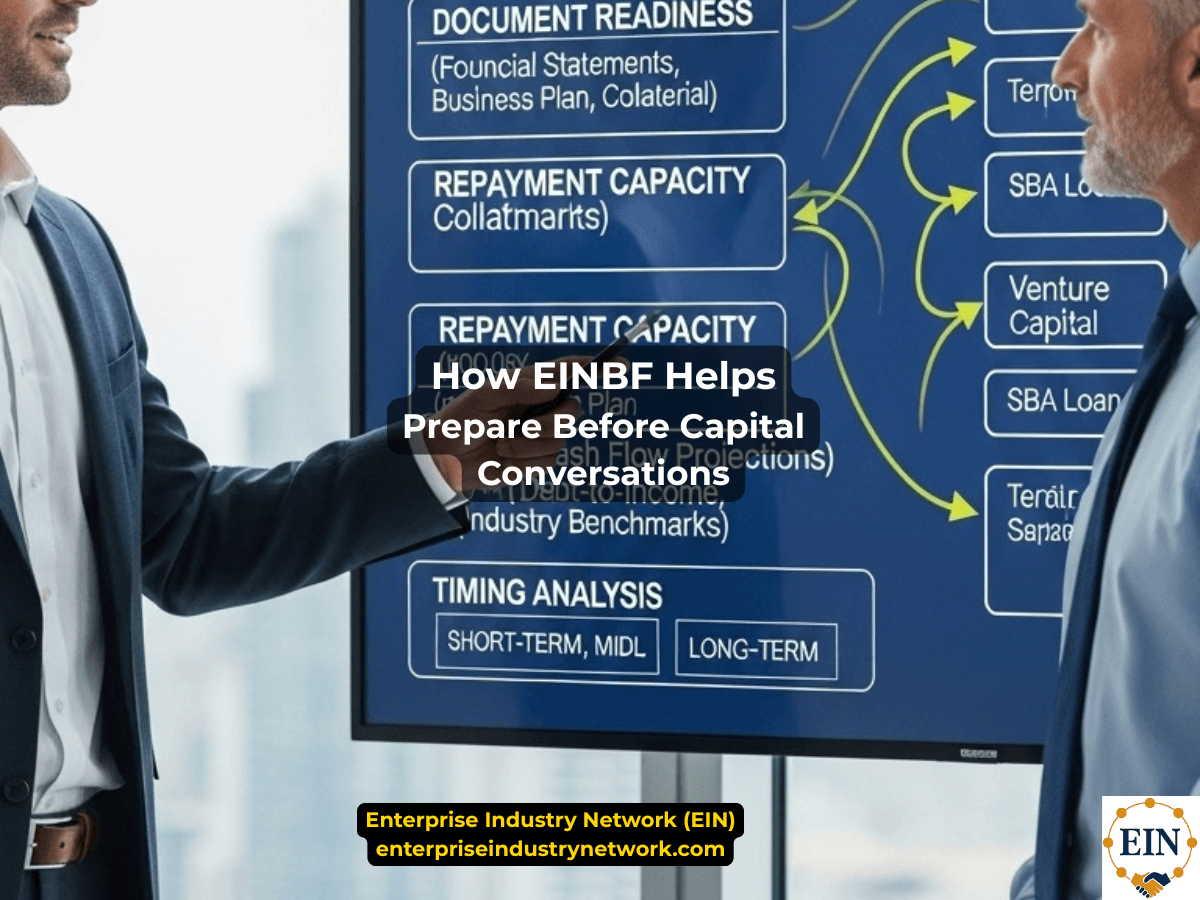 Business funding readiness starts with a clear capital need, organized financial information, an understanding of cash flow and existing debt, and a realistic repayment plan before approaching funding sources.