
Asset Purchase vs Full Business Acquisition: Which Financing Need Are You Actually Bringing to a Lender?
Not every business purchase is a full acquisition.
A buyer may purchase equipment, inventory, vehicles, customer contracts, intellectual property or selected operating assets without purchasing the entire legal entity.
Another buyer may purchase the complete operating company, including its ownership interests and ongoing business structure.
Those transactions can create very different financing requirements.
If you have already identified a business or asset package to purchase and know the approximate price, complete the EIN Business Funding Quick Lead Pre-Qualification using the actual assets, purchase price, buyer contribution and financing need.
Start by Defining What Is Being Purchased
The financing conversation should begin with a clear description of the transaction.
Are you purchasing:
- The entire business?
- Only equipment?
- Inventory and equipment?
- Vehicles and operating assets?
- A customer list and selected contracts?
- A franchise location?
- Real estate plus the operating business?
A lender cannot properly evaluate a transaction if the buyer is unclear about the assets being acquired.
Why an Asset Purchase Can Be Different
In an asset purchase, the buyer may acquire selected assets rather than the seller’s ownership interests in the existing company.
The exact legal and tax consequences depend on the transaction and should be reviewed with appropriate professional advisers.
From a financing perspective, however, the buyer should identify which assets have tangible value and which parts of the purchase price relate to intangible business value.
Equipment May Support an Equipment-Financing Component
If a meaningful part of the transaction consists of machinery, vehicles, refrigeration, medical equipment or other tangible business assets, an equipment-financing structure may be worth evaluating.
The buyer should obtain an equipment list showing age, condition and estimated value where available.
Not every asset purchase should automatically be treated as one large unsecured business loan.
Inventory Creates a Different Funding Need
Inventory is expected to be sold through normal operations.
A buyer acquiring a retail, wholesale or e-commerce operation may need capital for the inventory included in the transaction as well as additional inventory that must be purchased after closing.
This can create a working-capital requirement separate from financing the equipment.
Goodwill and Customer Relationships Are Different From Physical Assets
The purchase price of an operating company can include value beyond equipment and inventory.
Customer relationships, brand recognition, workforce, systems and historical earnings can all contribute to business value.
These intangible elements do not have the same collateral characteristics as a piece of machinery or vehicle.
That difference can influence how the transaction is financed.
A Full Business Acquisition Relies Heavily on Cash Flow
When the buyer acquires a complete operating business, the company’s ability to generate sustainable cash flow becomes central.
The acquired business ultimately needs to support payroll, suppliers, operations and the acquisition debt.
A profitable company with strong recurring cash flow can present a different financing opportunity from an asset package that does not yet produce revenue independently.
Holiday Timing Can Complicate Asset Purchases
A late-year transaction may occur while inventory levels are unusually high or unusually low.
Retail and e-commerce companies can carry substantial seasonal stock. Service businesses may have outstanding receivables. Equipment may be operating heavily during the peak period.
The buyer should understand what will actually transfer at closing rather than relying on an inventory or asset list prepared months earlier.
Separate Purchase Price From Post-Closing Capital
Whether the buyer purchases assets or the complete company, post-closing liquidity matters.
The buyer may need additional money for:
- Payroll
- Inventory replenishment
- Insurance
- Marketing
- Equipment repairs
- Facility changes
- Technology
- Supplier deposits
Using all available capital to complete the purchase can leave the new operation underfunded.
What if Real Estate Is Included?
If the transaction includes commercial real estate, separate the property from the operating-business assets.
Commercial real estate can require a different financing structure and different due diligence from equipment, inventory or goodwill.
Buyers should understand whether they are purchasing the building, leasing it from the seller or obtaining a new third-party lease.
Seller Financing Can Bridge a Valuation Gap
When a large portion of the purchase price relates to goodwill or intangible business value, seller financing may become part of the transaction structure.
A seller note can reduce the amount of outside financing required, although it also creates an additional repayment obligation.
The terms should be considered together with any senior acquisition financing.
What Should the Buyer Prepare?
- Total purchase price
- Assets being acquired
- Equipment list and estimated values
- Inventory included
- Real estate, if any
- Buyer contribution
- Seller-financed amount
- Outside financing required
- Historical business revenue
- Sustainable cash flow
- Post-closing working-capital need
Do Not Ask for Acquisition Financing Until the Transaction Is Defined
A buyer seeking $500,000 to purchase machinery and inventory may need a different financing structure from a buyer seeking $500,000 to purchase the ownership of an operating company.
The amount can be identical while the transaction is completely different.
Defining the assets, operating business, cash flow and post-closing needs makes it easier to evaluate which funding categories are worth considering.
The Financing Structure Should Follow the Deal
Equipment financing, working capital, acquisition financing and commercial real estate financing are tools for different business needs.
The buyer should not force the transaction into one product simply because that product appears first in a search result.
A clearer transaction generally produces a clearer funding request.
FAQs
Is buying business assets the same as buying the entire company?
No. An asset purchase and a complete business acquisition can involve different legal, financial and financing structures.
Can equipment in an asset purchase be financed separately?
Potentially. Tangible machinery, vehicles and other eligible equipment may fit a separate equipment-financing structure depending on the provider and borrower.
Should working capital be calculated after an asset purchase?
Yes. The buyer may still need cash for payroll, inventory, suppliers and other operating costs after the transaction closes.
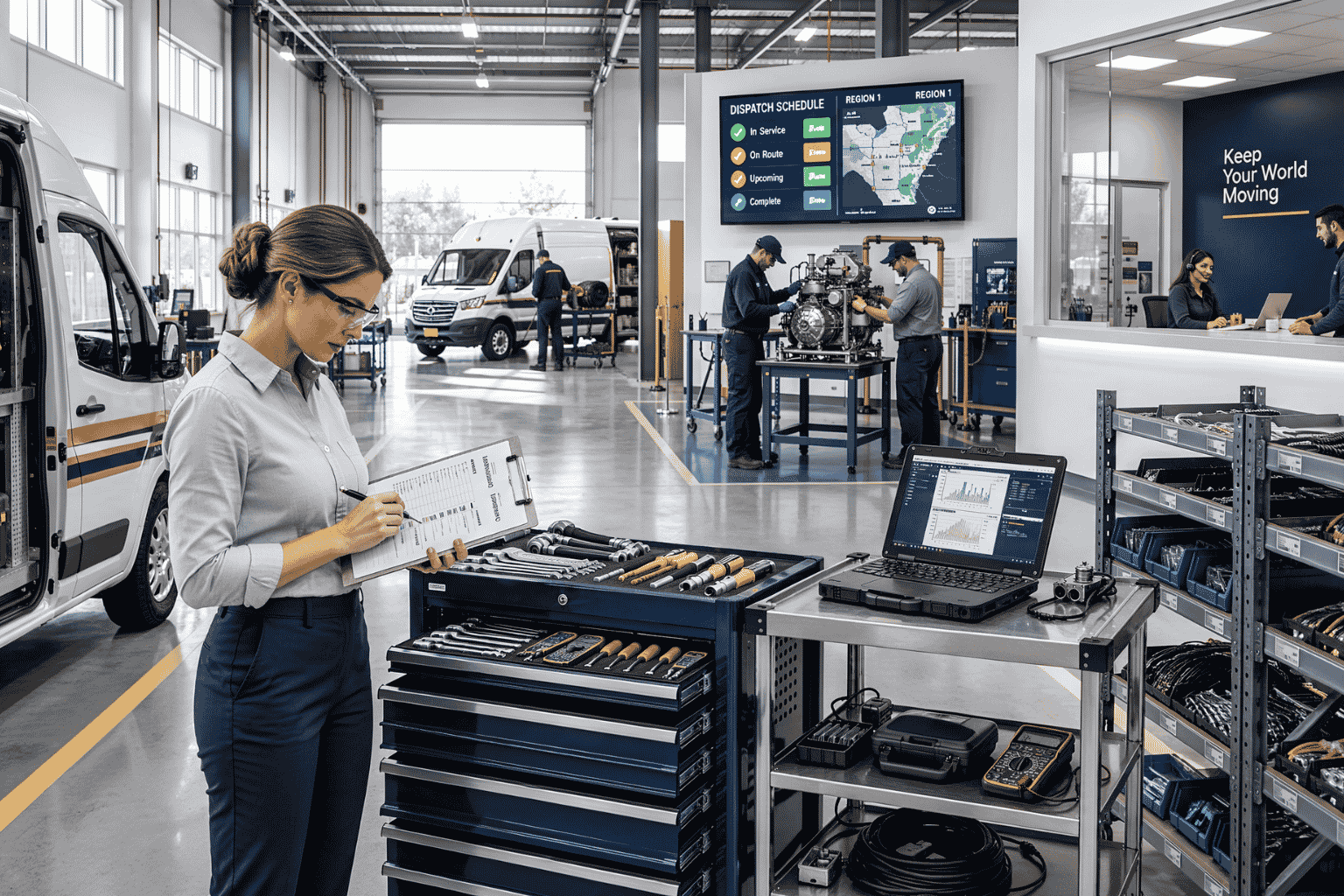 A buyer should identify exactly which assets and operating elements are being purchased before choosing a financing structure.