Business Line of Credit With EIN: Can 6 Months and $10K Monthly Sales Open Funding Options?
Business owners searching for a business line of credit with an EIN are usually looking for flexible capital they can draw when inventory, payroll or another operating expense arrives before customer cash does.
The important point is that “with EIN” does not mean “EIN only.” An EIN identifies the business, while funding providers can still evaluate revenue, operating history, bank activity, credit and existing obligations.
If your company has an active revolving-capital need and you can provide current monthly sales, business age and credit information, complete the EIN Business Funding Quick Lead Pre-Qualification.
Can a Six-Month-Old Business Qualify for a Line of Credit?
Potentially. Qualification varies widely by provider.
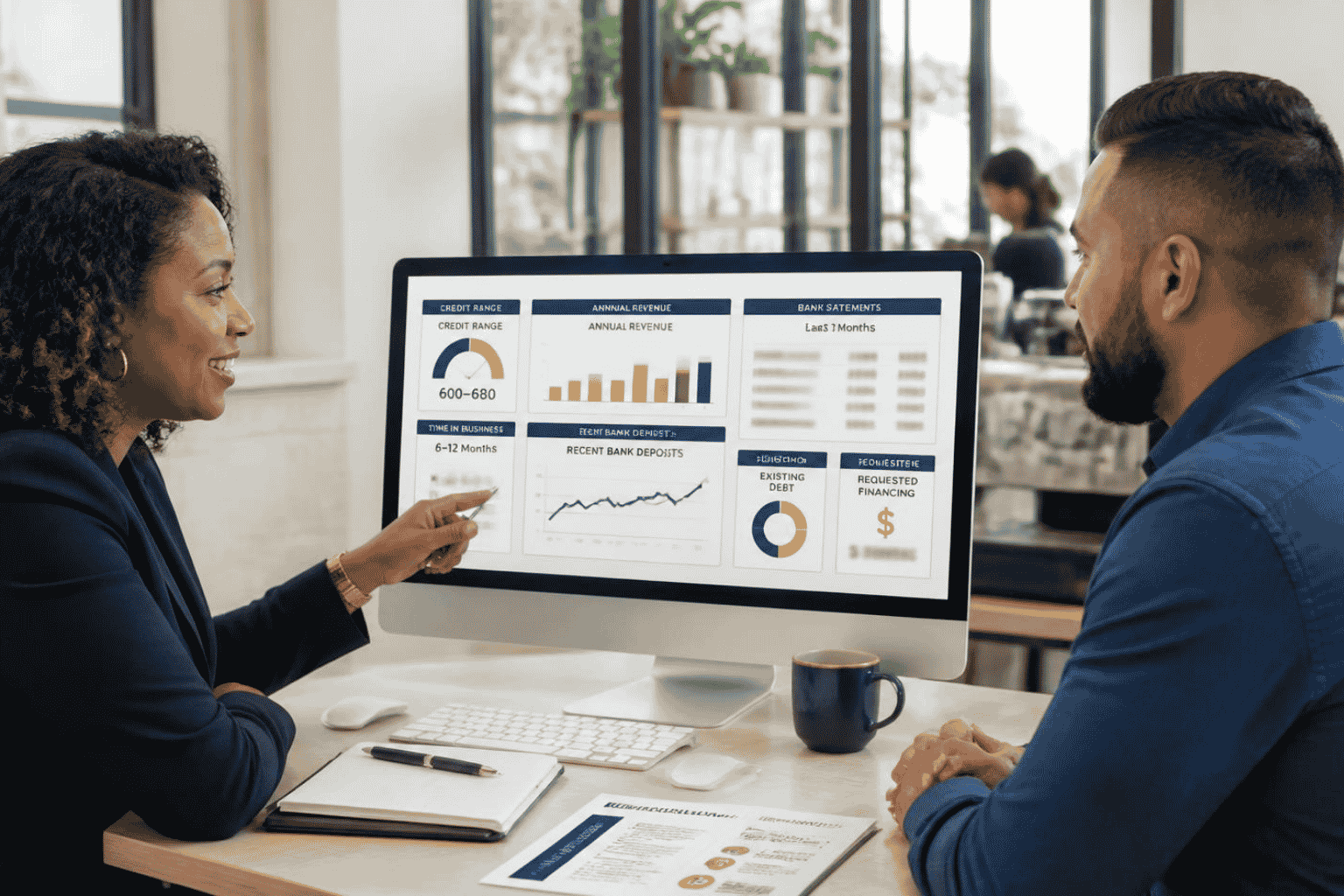
Current alternative-marketplace criteria reviewed in October 2026 show some business line-of-credit options beginning around six months in business, $10,000 in monthly gross sales and a 600 FICO score.
Those figures are not universal lender standards and do not guarantee approval. They are useful because they show that a business does not necessarily need several years of operating history before every revolving-credit option becomes available.
What Does $10K in Monthly Sales Tell a Funding Provider?
Monthly sales help demonstrate that the business is operating and producing recurring activity. Providers may also review how consistently those sales become deposits in the business bank account.
A business with $10,000 in one unusually strong month can present differently from a business generating similar sales consistently over many months.
Why Does Credit Still Matter if the Business Has an EIN?
An EIN is a business identifier rather than a substitute for underwriting. Depending on the financing provider, personal credit, business credit or both may be considered.
EINBF’s own organic search data shows people searching for phrases such as “business line of credit with EIN,” “business line of credit using EIN only” and “business line of credit with EIN only.” Those are legitimate borrower searches, but the underlying financing requirements can still extend beyond the tax ID.
What Is a Business Line of Credit Best Used For?
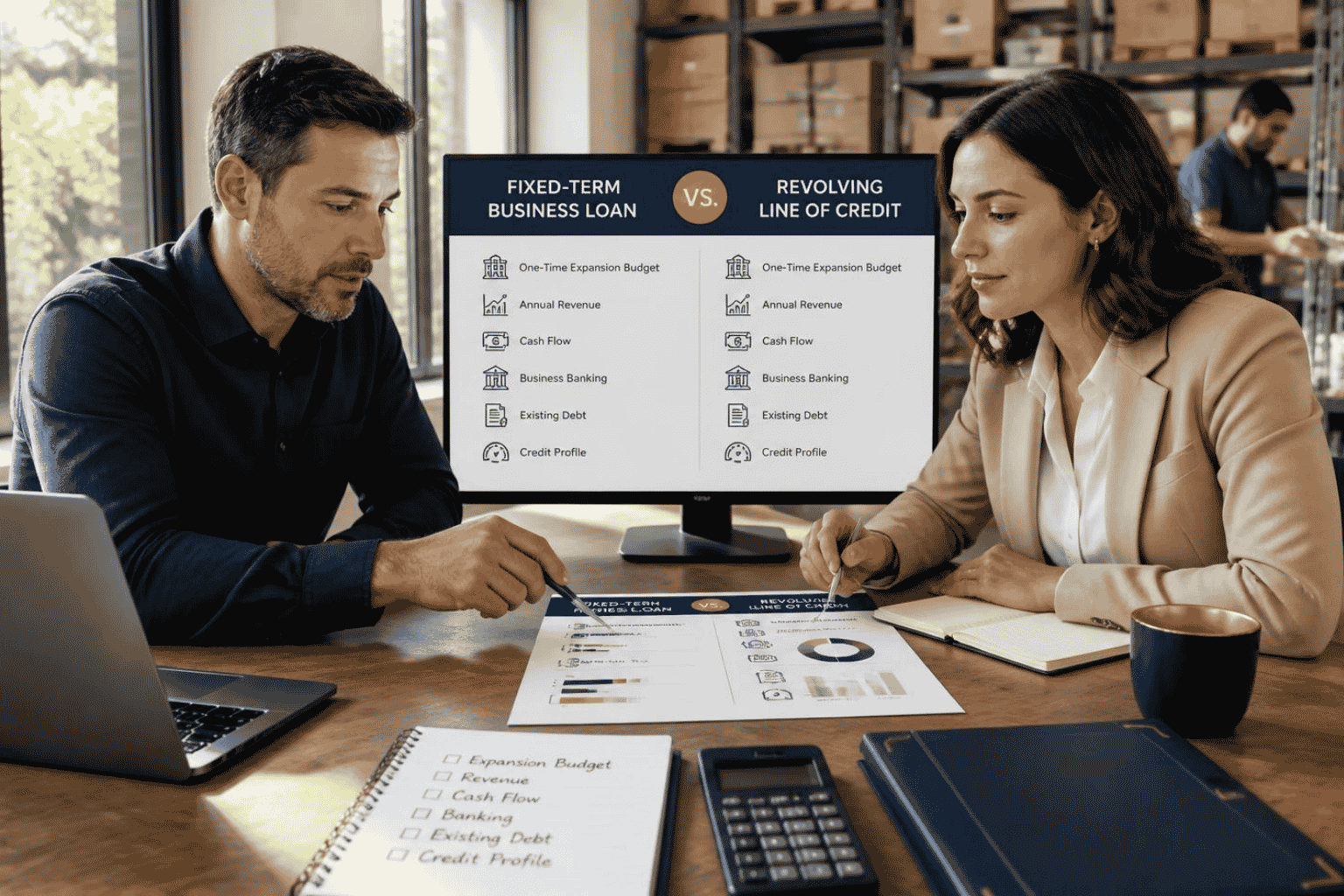
A revolving line can be useful when the company expects repeated short-term capital needs rather than one large one-time purchase.
- Inventory replenishment
- Payroll timing
- Supplier payments
- Seasonal operating expenses
- Short-term cash-flow gaps
- Recurring growth expenses
When the need is a single large equipment purchase or another fixed project, a different financing structure may be more appropriate.
How Is This Different From a Traditional Bank Line?
Traditional bank lines can use substantially stronger borrower profiles. The EIN Business Funding guidance identifies approximately 720+ personal credit, one to two years in business, $100,000 to $250,000+ annual revenue and positive cash flow as common traditional line-of-credit benchmarks.
Banks may also request business and personal tax returns, profit and loss statements and business bank statements while evaluating debt-service coverage, existing business debt, industry risk and cash-flow consistency.
What Existing Debt Should You Prepare?
List open business loans, business credit cards and existing credit lines. Include the lender or card name, credit limit where applicable, current balance and open date.
A provider needs to understand how much financial capacity is already committed before considering additional revolving credit.
How Much of a Credit Line Should You Request?
Start with the actual recurring cash need. If the company’s normal gap between paying suppliers and collecting customers is approximately $30,000, that is more useful information than simply requesting the largest available limit.
Borrowing capacity and borrowing need are not always the same number.
What If Your Credit Is Below 600?
That may narrow the available line-of-credit options, but it does not answer every business-funding question. Other financing categories can use different underwriting profiles.
The next step should be to evaluate the complete business profile rather than changing the application data or assuming an EIN removes the credit requirement.
What Should Be Ready Before Pre-Qualification?
- Business legal name and EIN
- Formation date
- Monthly and annual revenue
- Recent business bank deposits
- Current credit profile
- Existing debt
- Requested line amount
- Specific recurring use of funds
Use the Qualification Numbers as a Screening Point, Not a Promise
A business with six months of history, $10,000 in monthly sales and around 600 credit may be worth reviewing for current alternative line-of-credit programs. But approval, limit, pricing and repayment terms depend on the complete application and provider.
The goal of pre-qualification is to determine whether the current profile points toward a line of credit or whether another type of business financing fits the need more realistically.
FAQs
Can I get a business line of credit with an EIN?
Potentially. An EIN is part of the business application, but providers may also review credit, time in business, revenue, deposits, cash flow and existing debt.
Can six months in business be enough for a business line of credit?
Some current alternative financing programs consider businesses with approximately six months of operating history, but qualification requirements vary by provider.
Does $10,000 in monthly sales guarantee approval?
No. Monthly sales can be an important qualification factor, but approval and credit limits depend on the complete business and borrower profile.
 An EIN identifies the business, while line-of-credit qualification can also depend on business age, monthly sales, credit and existing obligations.