
Retail Equipment Financing With EIN: Fund POS Systems, Refrigeration and Store Fixtures Before Year-End
Holiday sales can expose weaknesses in a retailer’s physical operation very quickly.
Checkout systems may become too slow. Refrigeration may be unreliable. Shelving may no longer support the inventory volume. Barcode equipment may be outdated. A growing store may need additional displays, security systems or warehouse equipment.
When these purchases involve significant capital, retail equipment financing can help the business avoid using all available cash for long-lived assets.
If your business already has an equipment quotation and knows the approximate amount required, complete the EIN Business Funding Quick Lead Pre-Qualification with the actual equipment and business details.
What Can Count as Retail Equipment?
The exact eligible assets depend on the financing provider, but retailers can have a broad range of equipment needs.
Examples may include:
- Point-of-sale systems
- Commercial refrigeration
- Freezers and display coolers
- Barcode scanners
- Checkout equipment
- Store fixtures
- Warehouse shelving
- Material-handling equipment
- Security systems
- Specialized retail machinery
The stronger financing request identifies the exact assets rather than asking generally for “store funding.”
Why Finance Equipment Instead of Paying Cash?
Paying cash avoids financing cost, but it also reduces liquidity.
A retailer entering the holiday season may need cash for inventory, payroll, supplier payments, advertising, freight and January operating expenses.
Using $75,000 of available cash for equipment may leave the business undercapitalized even when the equipment itself is a good investment.
Financing can potentially preserve working capital while spreading the equipment cost over time.
Does Equipment Financing With EIN Mean EIN-Only?
No.
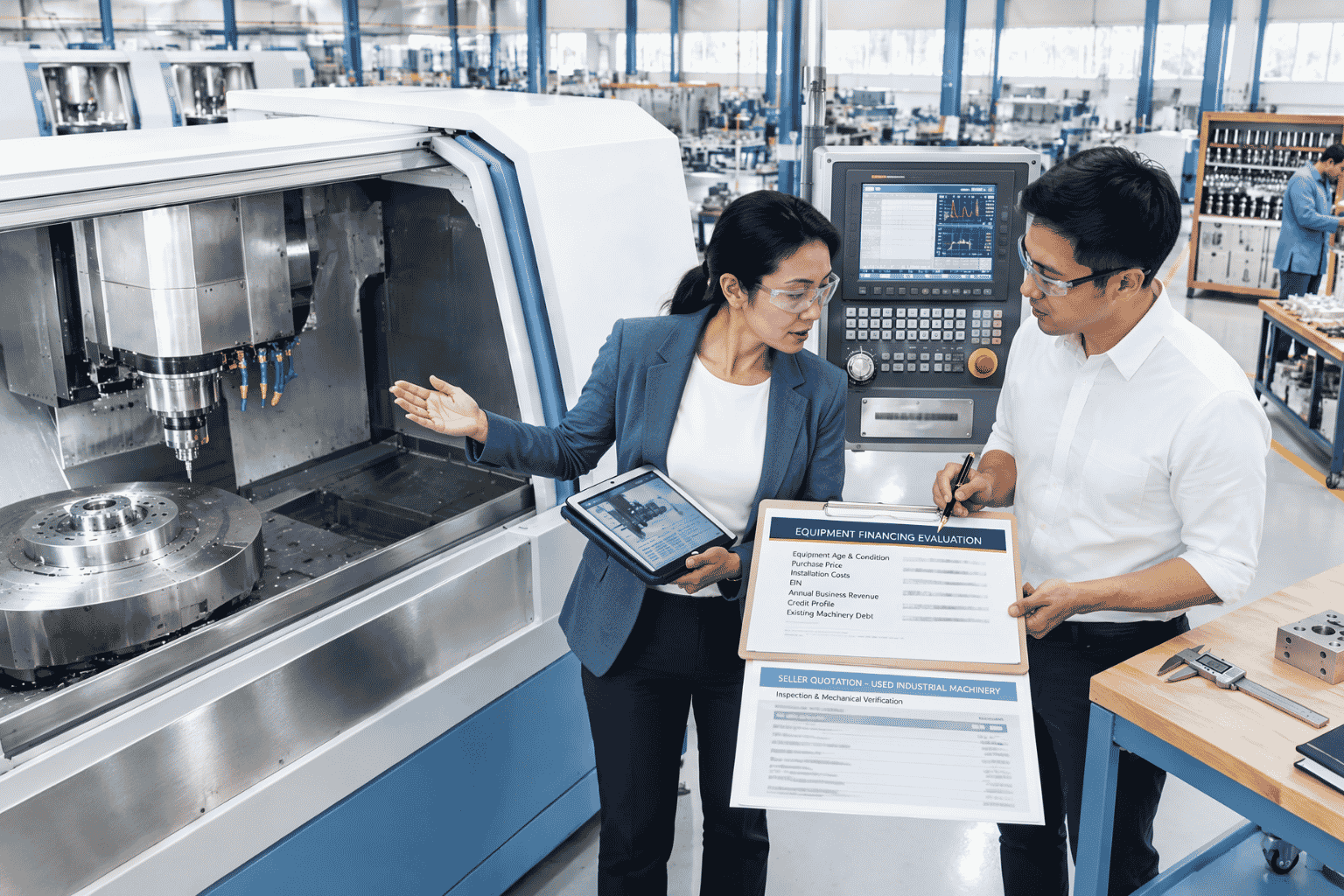
An EIN identifies the business, but equipment financing providers may also review personal credit, time in business, annual revenue, cash flow, existing debt and the asset itself.
The equipment can provide additional context because it is a tangible business asset, but underwriting still applies.
Prepare an Actual Vendor Quote
An equipment request becomes much easier to evaluate when the business knows exactly what it is buying.
Prepare:
- Equipment description
- Vendor name
- Purchase price
- New or used status
- Installation cost
- Delivery schedule
- Warranty information where relevant
A vague request for $100,000 of “retail upgrades” is less useful than a documented equipment list.
POS Systems Can Include More Than the Terminal
A point-of-sale upgrade may involve hardware, scanners, receipt printers, card terminals, networking and software.
Separate the physical hardware from recurring software subscriptions.
This helps the owner understand the true one-time equipment cost and the ongoing operating expense.
Refrigeration Can Create Installation Costs
Grocery, convenience, specialty food and beverage retailers may need refrigeration or freezer upgrades.
The equipment price may not include electrical work, plumbing, delivery, removal of old equipment or installation.
Calculate the complete installed cost before finalizing the financing amount.
Fixtures Can Support Revenue but Are Not Inventory
Shelving, counters, display fixtures and storage systems can improve how products are presented and handled.
They are different from the products being sold.
A retailer should separate long-term fixtures from short-term inventory when building the funding plan.
Equipment Financing and Inventory Financing Solve Different Problems
This distinction is especially important during the holiday season.
New refrigeration may remain in the business for years. Holiday inventory may be sold within weeks.
Using the same financing structure for both needs may not always be efficient.
The owner should identify equipment, inventory and working capital separately.
What if the Equipment Is Used?
Used retail equipment may be financeable in some situations, but age, condition, useful life and resale value can matter.
A very old asset may be more difficult to finance than newer equipment.
The business should obtain detailed information about the equipment before assuming that the full purchase price can be financed.
How Does Credit Affect Equipment Financing?
Different equipment-financing providers serve different borrower profiles.
Credit can affect approval, pricing, down-payment requirements and available terms.
However, credit is only one part of the business profile. Operating history, revenue, cash flow and existing debt can also matter.
Holiday Revenue Can Help—but Do Not Depend on Projections Alone
A retailer may expect the equipment to increase checkout speed, protect perishable inventory or support more customers.
Those projected benefits can help explain the investment.
The business should still be able to demonstrate current operating performance rather than relying only on future holiday sales.
Existing Equipment Debt Must Be Included
A retailer may already be financing vehicles, refrigeration, security systems or other assets.
Prepare current balances and payment obligations.
A new equipment payment should fit alongside the debt the business already carries.
What Should Be Ready Before Funding Review?
- Equipment quotation
- Asset description
- New or used status
- Installation costs
- Business formation date
- EIN
- Annual revenue
- Recent business deposits
- Current credit profile
- Existing debt
- Cash contribution available
Do Not Buy Equipment Only Because Year-End Is Approaching
The equipment should solve a real operating problem.
A store should not take on unnecessary debt simply because a vendor is promoting a year-end purchase.
Evaluate whether the asset improves productivity, protects revenue, reduces operating risk or supports demonstrated customer demand.
Preserve Cash for January
The holiday season may be strong, but January can bring slower sales, returns and continued operating expenses.
A retailer that uses all available cash for equipment in November or December may enter January with limited flexibility.
That is one reason equipment financing can be worth comparing with an outright cash purchase.
Finance the Asset the Business Actually Needs
A strong equipment-financing request is specific: the owner knows what the asset is, what it costs, how it supports the business and what current financial performance supports repayment.
The goal is not simply to borrow for equipment. It is to use financing to place a productive asset into a business that can afford to operate it.
FAQs
Can a retailer finance POS systems or refrigeration?
Potentially. Eligibility depends on the equipment, provider, borrower profile and complete transaction.
Can retail equipment financing be obtained with an EIN?
An EIN is part of the business application, but providers may also review credit, revenue, operating history, cash flow and existing debt.
Should inventory and equipment be financed together?
Not automatically. Inventory is usually a short-term operating asset, while equipment can produce value for several years. Separate the needs before choosing a financing structure.
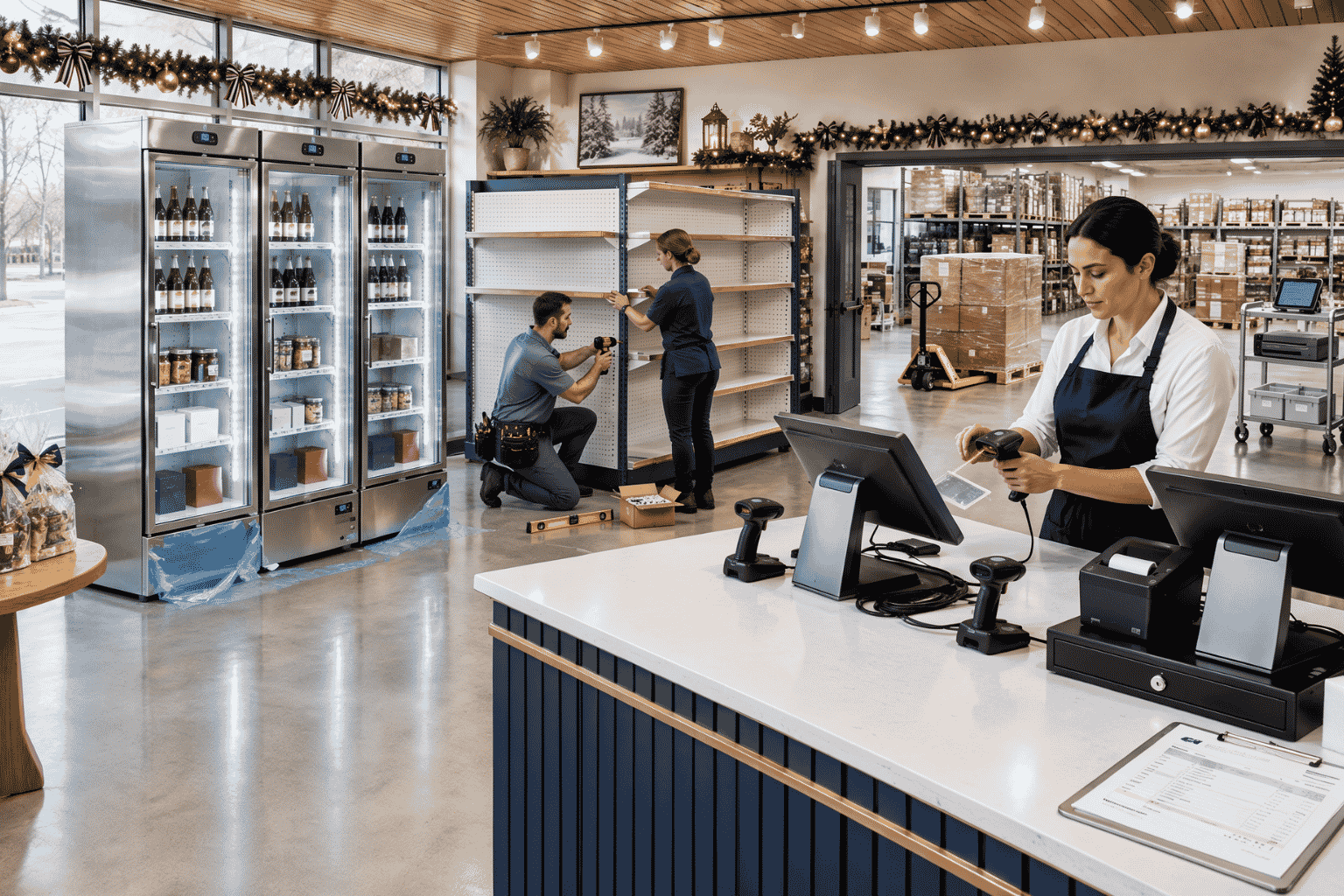 Retail equipment financing can help preserve working capital while a business upgrades long-lived assets such as POS systems, refrigeration and fixtures.