
Holiday Transportation Working Capital: Fund Fuel, Driver Payroll, Repairs and Slow-Paying Shippers
Holiday demand can make a trucking, delivery or logistics company busier while simultaneously making its cash position tighter.
More loads mean more fuel. More routes can require more drivers. Vehicles accumulate additional mileage and maintenance. Insurance and ordinary overhead continue.
Yet commercial customers may not pay immediately after a shipment is completed.
A transportation company can therefore have trucks moving, invoices outstanding and significant revenue on the books while still needing cash for tomorrow’s operations.
If your transportation or logistics company has an active working-capital requirement, complete the EIN Business Funding Quick Lead Pre-Qualification using current revenue, operating history and the specific amount needed.
Fuel Creates an Immediate Cash Requirement
Fuel has to be purchased continuously while the company operates.
When holiday freight volume rises, weekly fuel spending can increase substantially before the corresponding customer invoices are collected.
Transportation businesses should estimate fuel needs based on actual routes, mileage and expected load volume rather than a general seasonal estimate.
Driver Payroll Does Not Wait for Shipper Payments
Employees and eligible contractors must be paid according to the company’s normal payment arrangements.
A shipper paying on commercial terms may not send payment until weeks after the load is completed.
This mismatch between payroll timing and invoice collection can create one of the industry’s most common working-capital pressures.
Holiday Miles Can Increase Maintenance Risk
Higher vehicle utilization means additional wear.
Tires, brakes, routine service and unexpected repairs can become more frequent when vehicles are operating continuously.
A transportation company should maintain an emergency repair reserve rather than using every available dollar for fuel and payroll.
Slow-Paying Customers Can Turn Growth Into a Cash Problem
A logistics company may accept more loads because customer demand is strong.
But every additional load can require money before payment is received.
If receivables grow faster than available cash, rapid growth can create financial stress even when the jobs themselves are profitable.
Working Capital May Fit Broad Operating Expenses
A general working-capital facility may help eligible transportation businesses support expenses such as fuel, payroll, repairs or other operating needs.
The business should calculate the actual gap and expected repayment source.
Short-term capital should solve a timing problem rather than permanently subsidize unprofitable routes.
Invoice Financing May Fit Eligible Shipper Receivables
Transportation companies that invoice commercial customers can also evaluate invoice-related financing where appropriate.
The underlying receivables, customer quality, invoice status and provider requirements can affect eligibility.
This differs from a general business loan because the financing is tied more directly to legitimate outstanding invoices.
Compare the Two Needs Separately
A carrier may need $50,000 of broad operating capital while also holding $150,000 of outstanding receivables.
That does not automatically mean the company should finance the entire receivables balance.
Determine how much cash is actually needed to maintain operations until customer payments arrive.
Know Which Customers Are Creating the Gap
An accounts-receivable aging report can show which shippers pay quickly and which regularly take longer.
The company may discover that a small number of customers create most of the cash-flow delay.
That information can help the owner make better decisions about customer terms and future load volume.
Do Not Chase Revenue With Unprofitable Routes
A high-volume holiday contract can still lose money.
Calculate fuel, labor, tolls, maintenance, insurance allocation and other major route costs before borrowing to support additional freight.
Financing cannot turn an uneconomic load into a profitable one.
Repair Financing and Working Capital Are Not Always the Same Need
A major engine, transmission or vehicle replacement can represent a longer-lived capital expense.
Routine repairs, fuel and payroll are shorter-term operating costs.
Separating major equipment needs from day-to-day working capital can produce a more appropriate financing structure.
Watch Customer Concentration
Holiday transportation contracts can quickly make one customer a significant percentage of company revenue.
If that shipper delays payment, reduces volume or ends the relationship after peak season, the transportation company can face a significant cash-flow change.
Consider concentration when deciding how aggressively to expand capacity.
January Can Look Very Different From December
Freight demand can change after the holiday peak.
A financing payment established during a busy period still needs to be manageable when routes normalize.
Transportation businesses should test the repayment plan against ordinary operating conditions rather than only peak-season activity.
Prepare the Numbers Before Seeking Funding
Know annual revenue, recent deposits, average monthly fuel expense, payroll, existing debt, receivables, current vehicle obligations and the exact amount required.
For invoice-related financing, maintain organized and accurate customer invoice records.
Use Capital to Keep Profitable Freight Moving
The purpose of holiday transportation funding should be straightforward: bridge the period between paying the cost of completing profitable work and collecting the resulting customer revenue.
When fuel, drivers, repairs and slow-paying shippers are measured accurately, the business can make a more disciplined funding decision.
FAQs
Can trucking companies use working capital for fuel and payroll?
Potentially, depending on the financing product, provider and business profile.
Can transportation invoices be financed?
Eligible commercial receivables may support invoice-related financing, subject to the provider’s requirements and the quality of the invoices and customers.
Why can increased freight volume create a cash shortage?
The carrier may have to pay fuel, drivers and operating expenses well before customers pay their invoices.
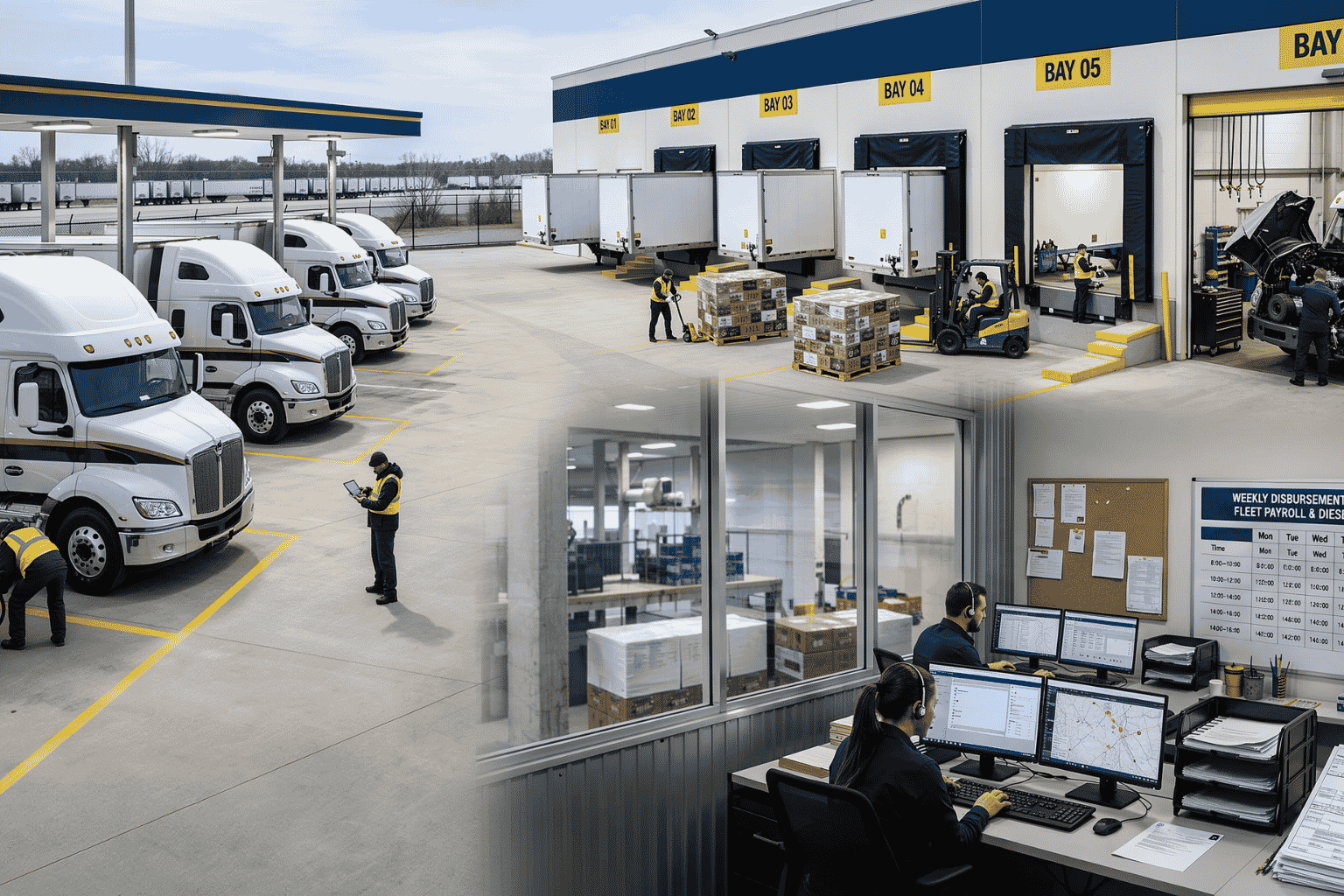 Transportation companies can face rising fuel, payroll and repair costs weeks before commercial customers pay holiday freight invoices.