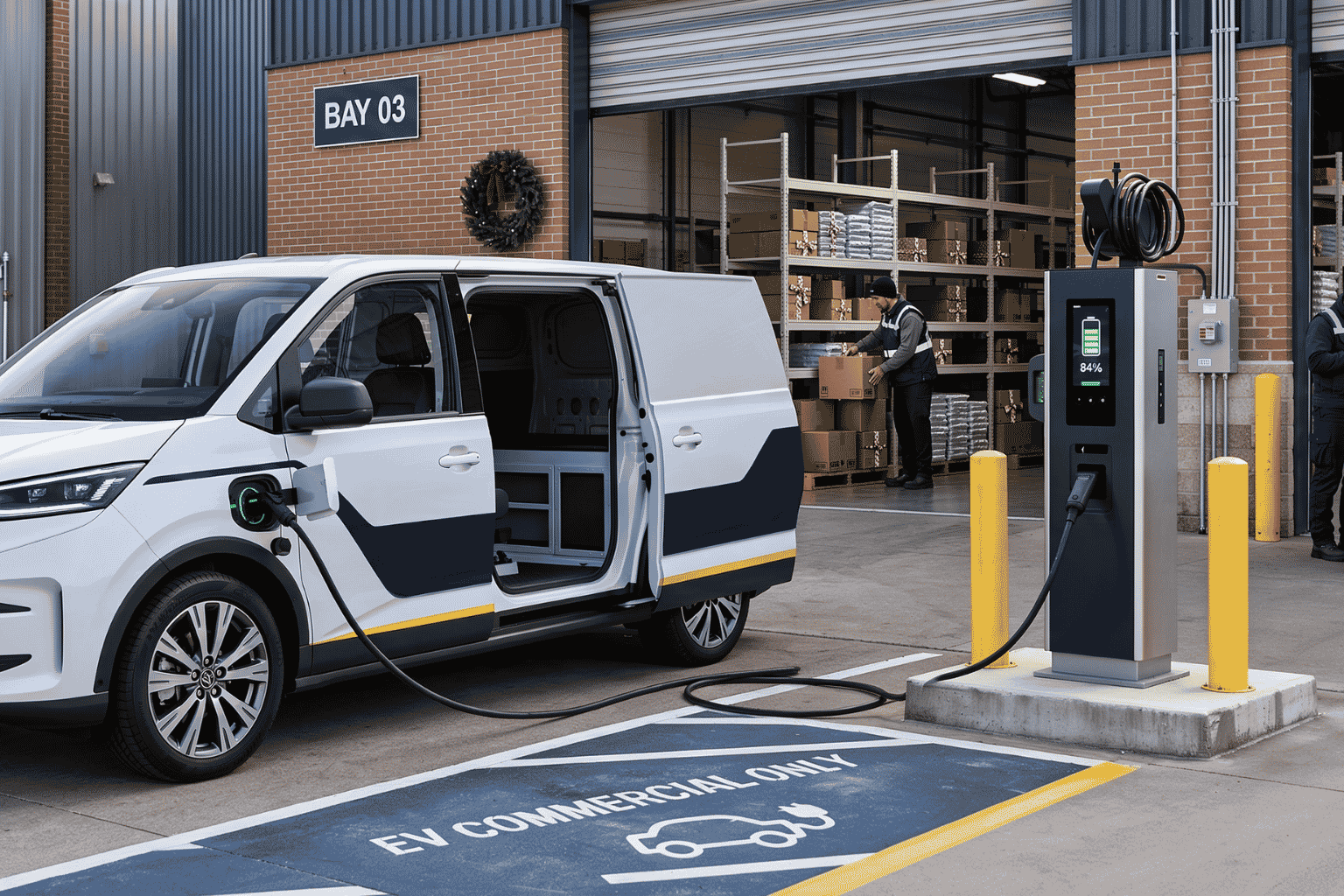
Black Friday Exposed Your Inventory Errors? How to Finance RFID Readers, Smart Scanners and Inventory Technology
Black Friday puts inventory systems under pressure.
A store may believe a product is available when the shelf is empty. A warehouse employee may spend too long locating inventory. An online order may be accepted for an item that cannot be found. Manual counts can fall behind rapidly when thousands of products move through the operation.
For some businesses, the holiday rush reveals that inventory technology has become an operating bottleneck.
RFID readers, smart barcode scanners, connected inventory systems and related technology can improve visibility—but the project can involve several different costs.
If your business has identified a specific technology investment and knows the approximate capital requirement, complete the EIN Business Funding Quick Lead Pre-Qualification using your actual business profile and funding need.
Start With the Inventory Problem
Technology should solve a real operational issue.
Black Friday may reveal problems such as:
- Incorrect stock counts
- Products in the wrong location
- Slow order picking
- Missed replenishment
- Overselling online
- High manual counting labor
- Weak visibility across multiple locations
The business should define the problem before deciding which technology to buy.
RFID Is More Than a Reader
An RFID project can include readers, handheld devices, antennas, tags, printers, software and integration.
Some costs may be one-time equipment purchases. Others may recur as the business continues using tags, subscriptions or cloud services.
Financing should reflect those differences.
Smart Barcode Scanners Can Be a Smaller Entry Point
Not every business needs a complete RFID deployment.
Upgraded handheld scanners, mobile inventory terminals or connected point-of-sale devices may solve significant workflow problems at a lower cost.
The correct technology depends on the scale and complexity of the operation.
Hardware Can Have a Different Financing Life From Software
Readers, scanners, printers and other equipment may remain productive for several years.
Software subscriptions may be paid monthly or annually.
Using one short-term financing product for an entire multi-year hardware project can create a repayment mismatch.
Separate long-lived equipment from recurring operating costs.
Integration Can Be More Expensive Than Expected
The device purchase is not necessarily the complete project.
The company may need integration with:
- Inventory software
- Point-of-sale systems
- E-commerce platforms
- Warehouse-management systems
- Accounting systems
- Shipping platforms
Implementation and testing should be included in the project budget.
Training Is Part of the Investment
Technology creates limited value when employees do not know how to use it correctly.
Managers, warehouse staff, retail associates and inventory teams may need training.
The cost can include both formal training and the productivity time required while employees learn new workflows.
Do Not Replace a Working Process During Peak Black Friday Hours
The holiday rush can reveal the problem, but it may not be the ideal moment to replace the entire system.
A poorly tested rollout can interrupt fulfillment when the business is busiest.
Companies may choose to plan, purchase or pilot technology during the holiday season and complete a larger implementation when operating conditions allow.
Calculate the Cost of Inventory Inaccuracy
A technology project becomes easier to evaluate when the business understands the financial cost of the current problem.
Inventory errors can create:
- Lost sales
- Canceled orders
- Excess stock
- Employee search time
- Emergency transfers
- Customer-service issues
- Unnecessary markdowns
Quantifying some of these costs can help determine whether the investment has a reasonable payback.
Equipment Financing May Fit Tangible Technology
Depending on the financing provider and borrower profile, tangible business technology can potentially be financed as equipment.
The asset, useful life, cost, credit, revenue and operating history can affect the available structure.
Working Capital May Fit Implementation and Operating Costs
Training, integration, temporary labor and other implementation expenses may not have the same asset characteristics as hardware.
Working capital may be relevant for eligible operating expenses depending on the financing product.
Again, separating the costs makes the funding request clearer.
Do Not Finance Technology Without a Use Case
A retailer should not purchase RFID simply because larger companies use it.
A distributor should not buy advanced scanning systems if its current problem can be solved by better processes.
The financing should support a measurable operational improvement.
Black Friday Data Can Help Build the Business Case
The holiday period can provide useful evidence about where the operation struggles.
Track:
- Order-picking time
- Inventory discrepancies
- Canceled orders
- Out-of-stock incidents
- Employee labor hours
- Return-related inventory errors
This information can help the business choose technology based on actual operational pain.
Prepare the Complete Technology Budget
Before seeking financing, identify:
- RFID readers or scanners
- Tags and consumables
- Printers
- Software
- Integration
- Installation
- Employee training
- Support contracts
- Additional working capital
Use the Right Capital for the Right Cost
A $120,000 project might include $70,000 of long-lived hardware, $25,000 of integration, $10,000 of training and $15,000 of recurring software and other operating costs.
Presenting all $120,000 simply as “technology financing” hides important differences.
Breaking the project into components can help the owner evaluate which financing structures make the most sense.
Black Friday Should Improve the 2027 Operation
The purpose of investing in inventory technology is not merely to survive one holiday weekend.
A well-chosen system should improve stock visibility, employee productivity and customer fulfillment throughout the year.
When businesses use Black Friday operating data to identify the bottleneck and then structure hardware, software and implementation separately, technology financing can support a more durable improvement instead of another rushed holiday expense.
FAQs
Can RFID readers and inventory scanners be financed?
Potentially. Tangible business technology may fit equipment-financing structures depending on the assets, borrower and provider.
Should software and RFID hardware be financed together?
Not automatically. Hardware can have a multi-year useful life while software and tag costs may recur, so separating the costs can improve the financing decision.
Can working capital be used for technology implementation?
Potentially, depending on the financing product and eligible use of funds.
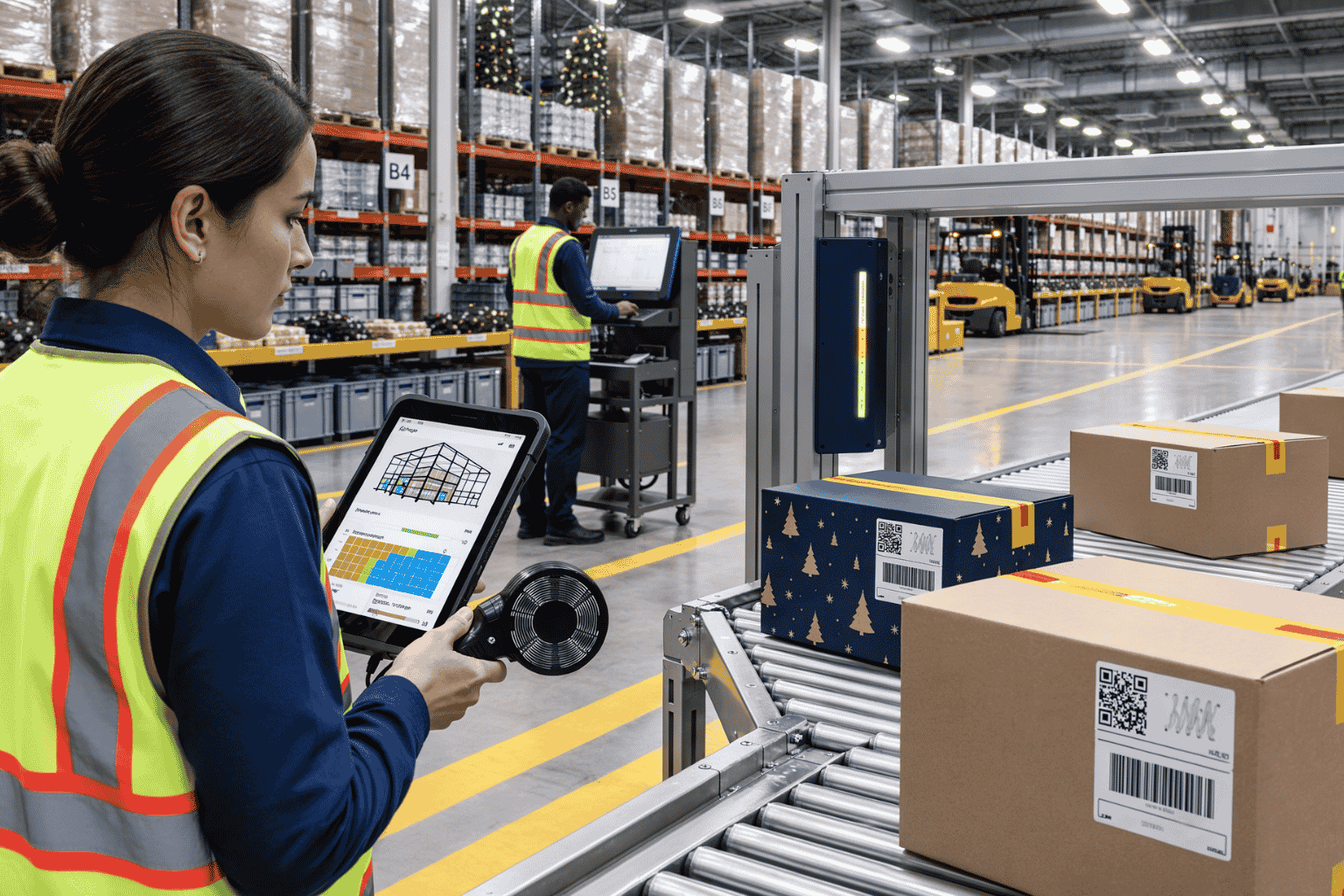 Black Friday inventory pressure can reveal where RFID, smart scanners and connected inventory systems may improve operations.