Tariffs and Import Costs Are Raising Your Landed Cost? How to Finance Black Friday Inventory Without Overbuying
For an importing business, the supplier’s invoice is only the beginning of the inventory cost.
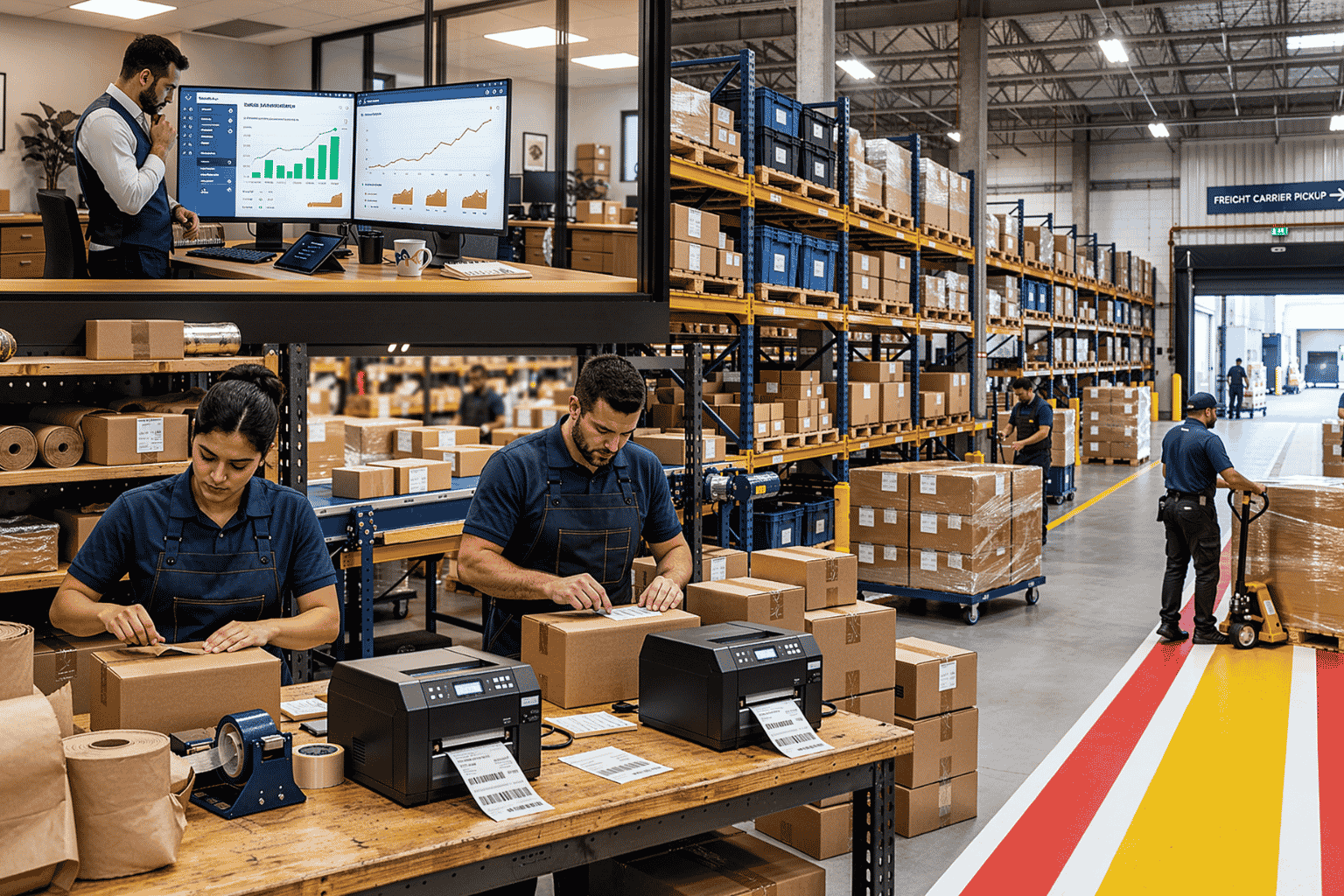
Products may also involve international freight, insurance, customs-related charges, duties, tariffs, domestic transportation, warehousing and other costs before the inventory is ready for customers.
During Black Friday and the holiday season, those costs can create a significant working-capital requirement because the business must often pay much of the supply-chain expense before the products are sold.
If your business has a defined holiday inventory requirement and needs capital to support supplier and landed costs, complete the EIN Business Funding Quick Lead Pre-Qualification using your actual business revenue, credit profile and funding amount.
Start With Landed Cost—not Supplier Price
A product costing $20 from the supplier does not necessarily cost the business $20 by the time it reaches the warehouse.
The complete landed cost may include:
- Product cost
- International freight
- Insurance
- Duties and applicable tariffs
- Customs and brokerage expenses
- Domestic freight
- Warehousing
- Handling
Businesses should calculate these costs accurately before deciding how much inventory to finance.
Tariffs Can Increase the Working-Capital Requirement
When an applicable tariff or duty increases the amount due before products can be sold, more cash becomes tied up in the inventory cycle.
That can reduce liquidity available for payroll, advertising, rent and other operating needs.
The business may therefore need to reconsider both pricing and funding.
Do Not Finance Based on Last Year’s Product Cost
A holiday inventory plan built using historical supplier and freight costs can become inaccurate when current landed costs have changed.
Use current quotations and applicable import-cost information when calculating the financing requirement.
Business owners should consult qualified customs, trade, accounting or legal professionals where necessary for questions about tariff classification or import obligations.
Higher Cost Does Not Automatically Mean Higher Selling Price
A business may want to pass every additional import cost directly to customers.
The market may not accept the higher price.
Before borrowing to purchase expensive inventory, understand whether the expected selling price still supports an acceptable gross margin.
Black Friday Discounts Can Compress Margin Further
Holiday promotions can create another layer of pressure.
The business may be paying more to bring products into the country while simultaneously discounting them to compete during Black Friday.
That makes margin analysis especially important.
Financing cost should be added to the complete economics rather than treated as a separate issue.
Do Not Respond to Higher Costs by Automatically Ordering More
Some owners respond to uncertainty by purchasing larger quantities to secure inventory early.
That can protect supply in some situations, but it can also create overstock.
The business should consider expected sell-through, storage, product obsolescence and the cash that will remain tied up if inventory does not sell quickly.
Supplier Deposits Can Create a Funding Need Months Before Sale
Importers may need to place deposits well before goods are produced and shipped.
The remaining balance may be due before departure or arrival.
That means the business can have cash committed for weeks or months before customer revenue is generated.
Working-capital planning should cover the complete supply-chain timeline.
Working Capital Can Help Bridge the Inventory Cycle
Depending on the borrower profile and financing product, working capital may help fund inventory, supplier obligations and related operating expenses.
The amount should be based on the actual cash gap rather than the maximum available.
A Line of Credit May Fit Repeated Import Cycles
Businesses importing products regularly may experience recurring cash needs as each supplier cycle begins.
A revolving line of credit can be worth evaluating for businesses that qualify because funds can potentially be accessed when supplier obligations arise and reduced as inventory sells.
Traditional lines generally require stronger credit, operating history, revenue and cash flow.
Purchase Order Financing May Be Relevant for Confirmed Commercial Orders
If the business has a legitimate customer purchase order and needs capital to pay a supplier before fulfilling that order, purchase-order-related financing may be another category worth exploring in suitable transactions.
Eligibility and structure can vary substantially.
Foreign Exchange Can Affect the Final Cost Too
Businesses purchasing goods in another currency can experience cost changes if exchange rates move between quotation and payment.
The company should understand which currency the supplier invoice uses and whether the cash budget includes a reasonable buffer for ordinary variation.
Calculate the Profit After Every Major Cost
For each imported product, estimate:
- Supplier cost
- International freight
- Duties and tariffs
- Domestic freight
- Storage
- Advertising
- Marketplace or payment fees
- Returns
- Financing cost
The resulting margin provides a better basis for deciding whether additional inventory makes sense.
January Overstock Can Become Expensive
Products purchased for Black Friday do not disappear simply because the holiday season ends.
If excess inventory remains in January, the company may continue paying financing costs while also using warehouse space and potentially discounting the products.
Inventory financing should therefore be based on a conservative sell-through plan.
Prepare the Import Funding Requirement Clearly
Before seeking financing, know:
- Supplier purchase price
- Deposit required
- Expected shipping date
- Current landed-cost estimate
- Expected selling price
- Expected margin
- Inventory sell-through period
- Annual business revenue
- Existing debt
- Amount of outside capital required
Policy-Driven Cost Changes Should Lead to Better Planning
Businesses cannot always control tariffs, duties, freight conditions or other external costs.
They can control how much inventory they order, the margin they require, the capital structure they use and how much liquidity they preserve.
For Black Friday inventory, the goal should be to finance products that can still be sold profitably—not simply to maintain the same unit volume regardless of changing landed costs.
FAQs
Can working capital be used for imported inventory?
Potentially, depending on the financing product, provider and borrower profile.
Should tariffs be included when calculating inventory financing?
The business should consider all applicable landed costs when calculating its actual cash requirement and product margin.
Is it better to order extra inventory before costs rise further?
Not automatically. Businesses should balance supply risk against sell-through, margin, storage and the financing cost of holding excess inventory.
 Importers should finance inventory based on complete landed cost and realistic holiday margins—not supplier price alone.