Equipment Financing for Businesses: How It Works and When It Makes Sense
How does equipment financing work for a business? Equipment financing can help companies purchase or upgrade essential assets without using all available cash upfront, allowing owners to preserve working capital while investing in productivity, capacity, efficiency, safety, or revenue growth.
Businesses may use equipment financing for machinery, commercial vehicles, technology systems, medical equipment, restaurant equipment, construction equipment, manufacturing assets, tools, and other qualified business equipment.
In this short educational video, EIN Business Funding (EINBF), part of Enterprise Industry Network (EIN), explains how equipment financing works, what it may be used for, and which financial factors owners should evaluate before financing business assets.
What Is Equipment Financing?
Equipment financing is business funding designed to help a company acquire equipment needed for operations, expansion, replacement, or increased capacity.
Depending on the financing structure, the equipment itself may help support the transaction as collateral, although lender requirements can vary.
Common equipment-financing needs may include:
- Manufacturing machinery.
- Commercial vehicles.
- Construction equipment.
- Restaurant and food-service equipment.
- Medical and healthcare equipment.
- Technology and computer systems.
- Tools and specialized machinery.
- Warehouse and material-handling equipment.
- Agricultural or industrial equipment.
Why Businesses Use Equipment Financing
Purchasing major equipment entirely with cash can reduce liquidity and leave less money available for payroll, inventory, marketing, operating expenses, or unexpected needs.
Equipment financing may allow a business to spread the cost of an asset over time while putting that equipment to work sooner.
Potential reasons to finance equipment include:
- Preserving working capital.
- Replacing outdated equipment.
- Increasing production capacity.
- Improving operational efficiency.
- Supporting business expansion.
- Reducing equipment downtime.
- Meeting new customer demand.
- Improving safety or compliance.
How Equipment Financing Can Preserve Working Capital
Working capital supports day-to-day business operations. Using a large amount of cash for equipment can reduce the financial cushion available for other expenses.
Financing may allow the company to retain more cash for:
- Payroll.
- Inventory.
- Supplier payments.
- Marketing.
- Seasonal needs.
- Unexpected expenses.
- Other growth opportunities.
Preserving cash can be valuable, but owners should still compare the financing cost against the expected benefit of keeping that capital available.
What Types of Equipment Can Be Financed?
The equipment that may qualify depends on the financing provider, asset type, business profile, useful life, purchase price, and other underwriting considerations.
Examples may include:
- Trucks and commercial vehicles.
- Manufacturing and production machinery.
- Construction vehicles and equipment.
- Medical devices.
- Restaurant ovens, refrigerators, and kitchen equipment.
- Computers, servers, and technology infrastructure.
- Printing and packaging equipment.
- Warehouse equipment.
- Specialized tools and industry-specific assets.
New vs Used Equipment Financing
Both new and used equipment may potentially be financed depending on the provider and the asset.
Used equipment may cost less upfront, but lenders may consider factors such as age, condition, resale value, remaining useful life, and maintenance history.
Business owners should evaluate whether the expected productive life of the asset is long enough to justify the financing term.
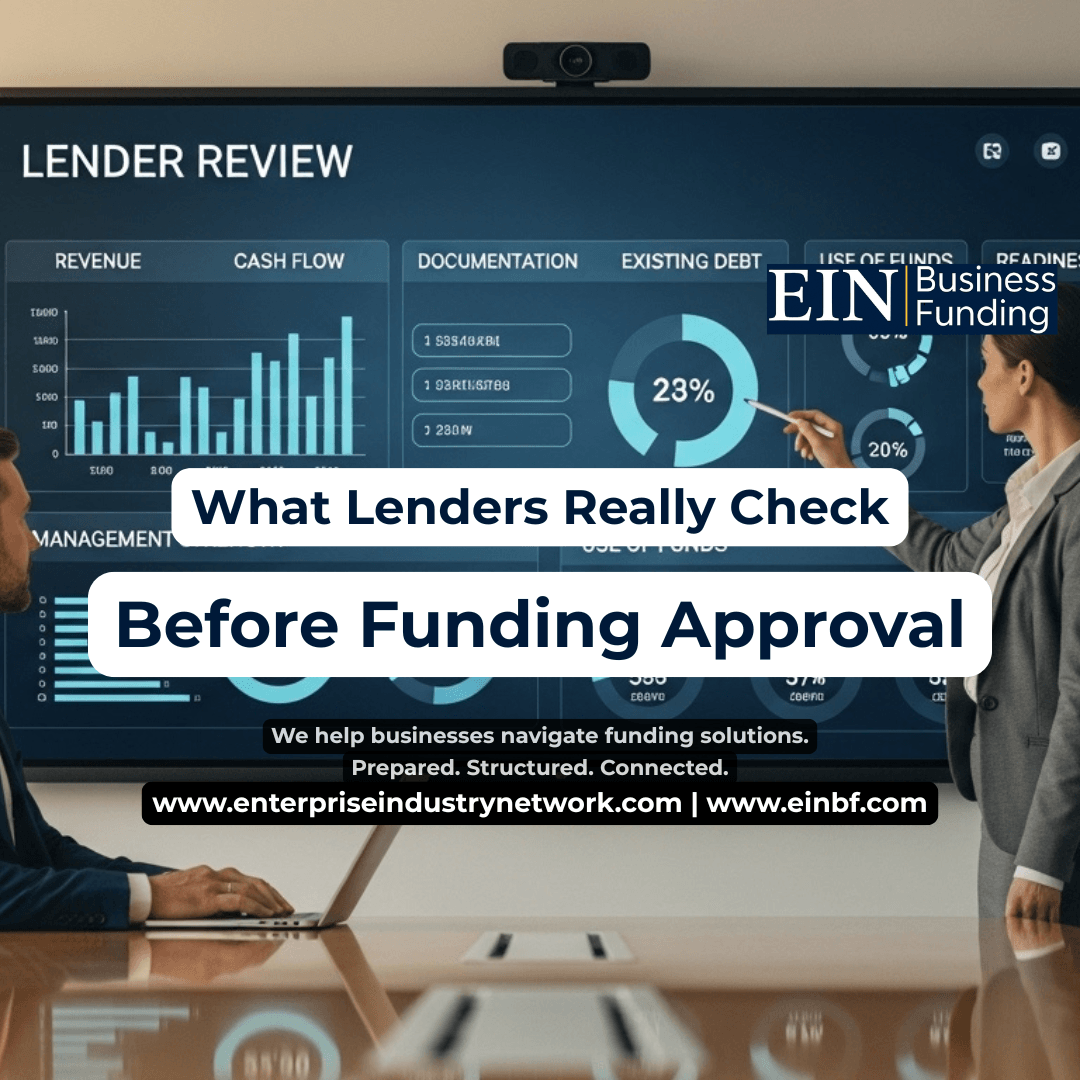
How Lenders May Evaluate Equipment Financing
Equipment financing approval can depend on both the business and the asset being financed.
Providers may consider:
- Business revenue.
- Cash flow.
- Time in business.
- Credit profile.
- Existing debt.
- Equipment cost.
- Type and condition of the asset.
- Useful life of the equipment.
- Down payment or buyer contribution.
- Business bank activity.
- Overall repayment capacity.
Should a Business Finance or Pay Cash for Equipment?
The answer depends on the company’s cash reserves, expected return from the equipment, financing cost, working-capital needs, and broader financial strategy.
Paying cash avoids financing costs but reduces liquidity immediately. Financing preserves more cash but creates an ongoing repayment obligation.
Owners may want to compare:
- Total equipment cost.
- Available business cash.
- Required down payment.
- Monthly financing payment.
- Total financing cost.
- Expected increase in revenue or productivity.
- Useful life of the asset.
- Other competing uses for the company’s cash.
How to Evaluate the Return on Equipment Investment
The most important question is not simply whether the business can finance the equipment, but whether the asset is expected to create enough operational or financial value to justify the cost.
Business owners may consider whether the equipment can:
- Increase production capacity.
- Reduce labor or operating costs.
- Improve quality or efficiency.
- Reduce downtime.
- Support additional customers.
- Generate new revenue.
- Replace an unreliable or expensive asset.
A stronger financing decision connects the equipment cost to a measurable business benefit.
Equipment Financing and Business Cash Flow
Even productive equipment can create financial pressure if the repayment structure does not fit the company’s cash flow.
Owners should understand:
- Monthly payment amount.
- Payment frequency.
- Financing term.
- Interest or financing cost.
- Down payment requirements.
- Insurance requirements.
- Maintenance costs.
- Expected revenue generated by the asset.
The business should remain capable of meeting normal operating expenses while supporting the equipment-financing obligation.
Equipment Loan vs Equipment Lease
Equipment loans and equipment leases can both provide access to business assets, but their ownership and payment structures may differ.
With a loan, the business generally finances the purchase of the equipment. With a lease, the business typically pays to use the equipment according to the lease terms, with ownership treatment depending on the structure.
The more suitable option depends on factors such as asset life, technology changes, ownership goals, cash flow, tax considerations, and the financing terms available.
When Equipment Financing May Not Make Sense
Equipment financing may not be appropriate if the asset is unlikely to generate enough value, the repayment creates excessive cash-flow pressure, or the financing term extends beyond the equipment’s useful life.
Owners should also be cautious about financing equipment simply because approval is available. The asset should support a real operational or strategic need.
Questions to Ask Before Financing Business Equipment
- Is the equipment essential to the business?
- How will it improve revenue, productivity, or efficiency?
- What is the expected useful life?
- How much cash should the business contribute upfront?
- What is the total financing cost?
- Can the business comfortably support the payments?
- Is the equipment likely to retain value?
- Would leasing be more appropriate than purchasing?
- How much working capital will remain after the transaction?
Explore Equipment Financing with EIN Business Funding
EIN Business Funding (EINBF), part of Enterprise Industry Network, helps business owners explore equipment financing and other funding options based on the company’s needs, revenue, cash flow, time in business, funding purpose, asset requirements, and overall financing readiness.
The right equipment-financing strategy should help the business acquire productive assets while preserving enough liquidity to support ongoing operations and future growth.
Explore Equipment Financing Options
Need machinery, vehicles, technology, medical equipment, restaurant equipment, or other business assets? Explore financing based on your business profile and equipment needs.
Frequently Asked Questions
What is equipment financing?
Equipment financing is business funding used to purchase or acquire equipment needed for operations, expansion, replacement, productivity, or increased business capacity.
What types of business equipment can be financed?
Depending on the provider, eligible assets may include machinery, commercial vehicles, technology, medical equipment, restaurant equipment, construction equipment, manufacturing assets, tools, and other business equipment.
Can equipment financing help preserve working capital?
Yes. Financing can allow a business to avoid paying the full equipment cost upfront, leaving more cash available for payroll, inventory, operating expenses, and other business needs.
Can used equipment be financed?
Potentially. Providers may consider the equipment’s age, condition, value, useful life, and other underwriting factors when evaluating used-equipment financing.
Should a business finance equipment or pay cash?
The decision depends on available cash, financing cost, expected return from the equipment, working-capital needs, and whether preserving liquidity provides greater value to the business.
What do lenders look at for equipment financing?
Providers may evaluate revenue, cash flow, time in business, credit profile, existing debt, equipment value, useful life, down payment, business bank activity, and repayment capacity.
 Equipment financing can help businesses acquire machinery, vehicles, technology, and other productive assets while preserving working capital for day-to-day operations and future growth.