Business Funding Lifecycle: From Readiness to Choosing the Right Capital
Business funding is not just one application or one lender decision. A stronger funding process usually moves through several stages: understanding the capital need, evaluating funding readiness, organizing financial information, preparing supporting documents, comparing financing options, matching capital to the business, and becoming ready to make a funding decision.
For business owners, buyers, and sellers, this funding lifecycle can apply across working capital, acquisition financing, equipment financing, business lines of credit, invoice financing, refinancing, pre-exit funding, growth capital, and other business capital needs.
In this short educational video, EIN Business Funding (EINBF), part of Enterprise Industry Network (EIN), explains the business funding lifecycle and why better preparation can lead to clearer capital decisions.
What Is the Business Funding Lifecycle?
The business funding lifecycle is the sequence of steps a company may move through from identifying a capital need to selecting and managing a financing solution.
A typical funding lifecycle may include:
- Identifying the business need.
- Determining the amount of capital required.
- Evaluating funding readiness.
- Organizing financial records.
- Preparing supporting documents.
- Reviewing existing debt and obligations.
- Comparing financing structures.
- Matching capital to the business need.
- Evaluating repayment capacity.
- Making an informed funding decision.
Stage 1: Understand the Capital Need
The funding process should begin with the business problem that needs to be solved rather than with a specific lender or financial product.
The capital may be needed for:
- Working capital.
- Inventory.
- Payroll.
- Equipment.
- Business expansion.
- Acquisition financing.
- Invoice financing.
- Refinancing.
- Pre-sale improvements.
- Other qualified business needs.
A clear funding purpose can make it easier to determine which financing structures may fit.
Stage 2: Evaluate Funding Readiness
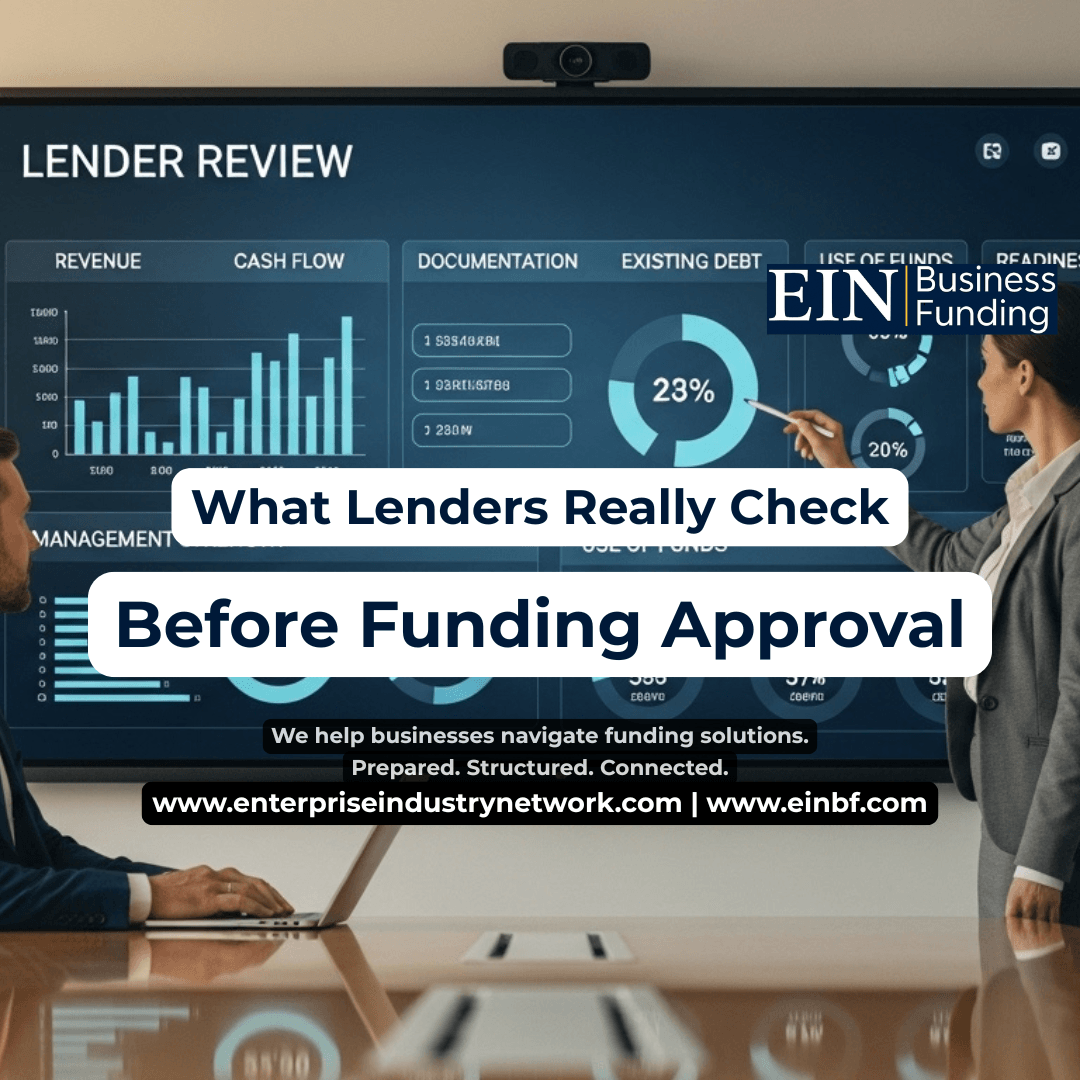
Funding readiness means understanding whether the business is financially and operationally prepared to approach capital providers.
Owners should be able to explain:
- How much funding is needed.
- Why the capital is needed.
- How the funds will be used.
- Current revenue.
- Cash-flow performance.
- Existing debt.
- Repayment capacity.
- Time in business.
- Available documentation.
Readiness does not guarantee approval, but it can create a clearer and more efficient funding conversation.
Stage 3: Organize Financial Information
Business financing decisions are often based on the quality and clarity of available financial information.
Depending on the product and provider, a business may need:
- Business bank statements.
- Profit-and-loss statements.
- Balance sheets.
- Business tax returns when requested.
- Debt schedules.
- Accounts receivable information.
- Ownership records.
- Supporting documents related to the use of funds.
Organized financial information can help lenders and funding providers understand the business more quickly.
Stage 4: Understand Cash Flow and Repayment Capacity
Revenue alone does not determine whether a financing structure is suitable.
A business should understand how much cash is available after operating expenses, existing debt, payroll, taxes, inventory, and other obligations.
Important questions include:
- Can current cash flow support additional payments?
- How often are customers paying?
- Are there seasonal fluctuations?
- How much debt already exists?
- How will new financing affect working capital?
Stage 5: Compare Business Funding Options
Different capital needs may require different financing structures.
Potential options may include:
- Working-capital financing.
- Business lines of credit.
- Equipment financing.
- Invoice financing.
- Acquisition financing.
- Refinancing.
- Seller financing as part of an acquisition.
- Growth capital.
- Other business financing structures.
The objective is to compare cost, repayment, flexibility, timing, collateral, guarantees, and cash-flow impact rather than simply accepting the first available option.
Stage 6: Match the Capital to the Business Need
Capital should fit the specific business objective.
For example:
- A line of credit may fit recurring short-term liquidity needs.
- Equipment financing may fit a machinery or vehicle purchase.
- Invoice financing may fit cash tied up in receivables.
- Acquisition financing may fit the purchase of an existing business.
- Refinancing may fit a need to restructure existing obligations.
The right funding option is not necessarily the largest amount available. It is the structure that best matches the business need and repayment capacity.
Stage 7: Review the Total Cost of Capital
Business owners should look beyond the headline payment or approval amount.
The complete cost may include:
- Interest or financing charges.
- Origination fees.
- Service fees.
- Closing costs.
- Prepayment penalties.
- Collateral requirements.
- Guarantees.
- Longer repayment periods.
A lower monthly payment can sometimes produce a higher total cost if the financing extends over a longer period.
Stage 8: Make the Funding Decision
Before accepting capital, business owners should understand both the opportunity and the obligation.
Questions to ask include:
- Does this financing solve the actual business need?
- Can the company support repayment?
- What is the total cost?
- How does the funding affect cash flow?
- Are collateral or personal guarantees required?
- Will this financing limit future borrowing?
- Does the structure support the company’s broader strategy?
The Funding Lifecycle for Business Buyers
Business buyers may go through an additional layer of funding preparation because both the buyer and the target company can affect financing eligibility.
Acquisition funding may involve:
- Buyer equity contribution.
- Target-business cash flow.
- Purchase price.
- Seller financing.
- Lender financing.
- Working capital after closing.
- Transaction documents.
- Repayment capacity.
The Funding Lifecycle Before Selling a Business
Owners preparing for a future sale may also use funding strategically before an exit.
Potential needs may include:
- Working-capital stabilization.
- Equipment upgrades.
- Refinancing.
- Debt restructuring.
- Operational improvements.
- Technology investments.
- Other legitimate sale-readiness needs.
Any new financing should be evaluated carefully because buyers may review recent debt, cash flow, liabilities, and use of funds during due diligence.
Why the Funding Lifecycle Matters
Treating funding as a process rather than a one-time application can help business owners make better capital decisions.
Preparation can improve clarity around:
- What the business actually needs.
- Which funding options may fit.
- What documents are required.
- How repayment affects cash flow.
- What the financing will cost.
- How the capital supports growth, acquisition, operations, or exit planning.
How EIN Business Funding Supports the Funding Lifecycle
EIN Business Funding (EINBF), part of Enterprise Industry Network, helps business owners and buyers prepare for capital conversations by clarifying funding needs, improving readiness, organizing supporting information, and exploring financing paths that may better align with business goals, cash flow, timing, and repayment capacity.
The objective is to help businesses move from funding need to funding readiness, from readiness to capital comparison, and from comparison to a more informed financing decision.
Move from Funding Need to the Right Capital Path
Clarify your capital need, prepare your financial information, compare funding options, and understand repayment before making a financing decision.
Frequently Asked Questions
What is the business funding lifecycle?
The business funding lifecycle is the process of identifying a capital need, evaluating readiness, preparing financial information, comparing funding options, matching capital to the business, reviewing repayment and cost, and making a financing decision.
What is the first step in business funding?
The first step is usually to clearly define how much capital is needed, why it is needed, and how the funds will be used.
Why is funding readiness important?
Funding readiness helps business owners organize financial information, understand cash flow and debt, clarify repayment capacity, and approach financing with better preparation.
What funding options may be available to a business?
Depending on the business profile and capital need, options may include working capital, lines of credit, equipment financing, invoice financing, acquisition financing, refinancing, and other financing structures.
How do I know which funding option is right for my business?
The right option depends on the use of funds, amount needed, cash flow, repayment ability, timing, collateral requirements, total cost, and broader business strategy.
Should businesses compare multiple funding options?
Yes. Comparing structures can help owners understand differences in cost, repayment, flexibility, collateral, timing, and overall business impact before accepting capital.
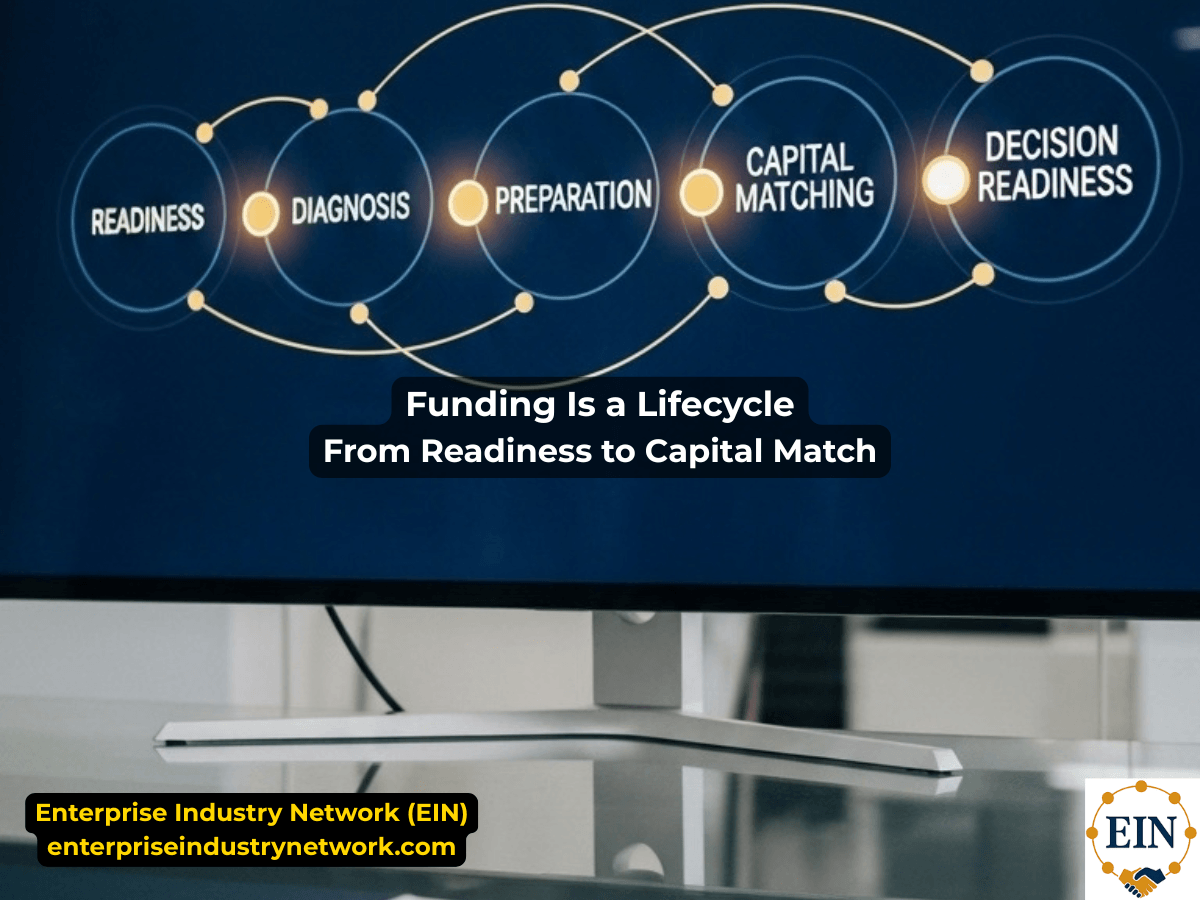 The business funding lifecycle moves from identifying the capital need and preparing financial information to comparing options, matching financing to the business, and making an informed funding decision.