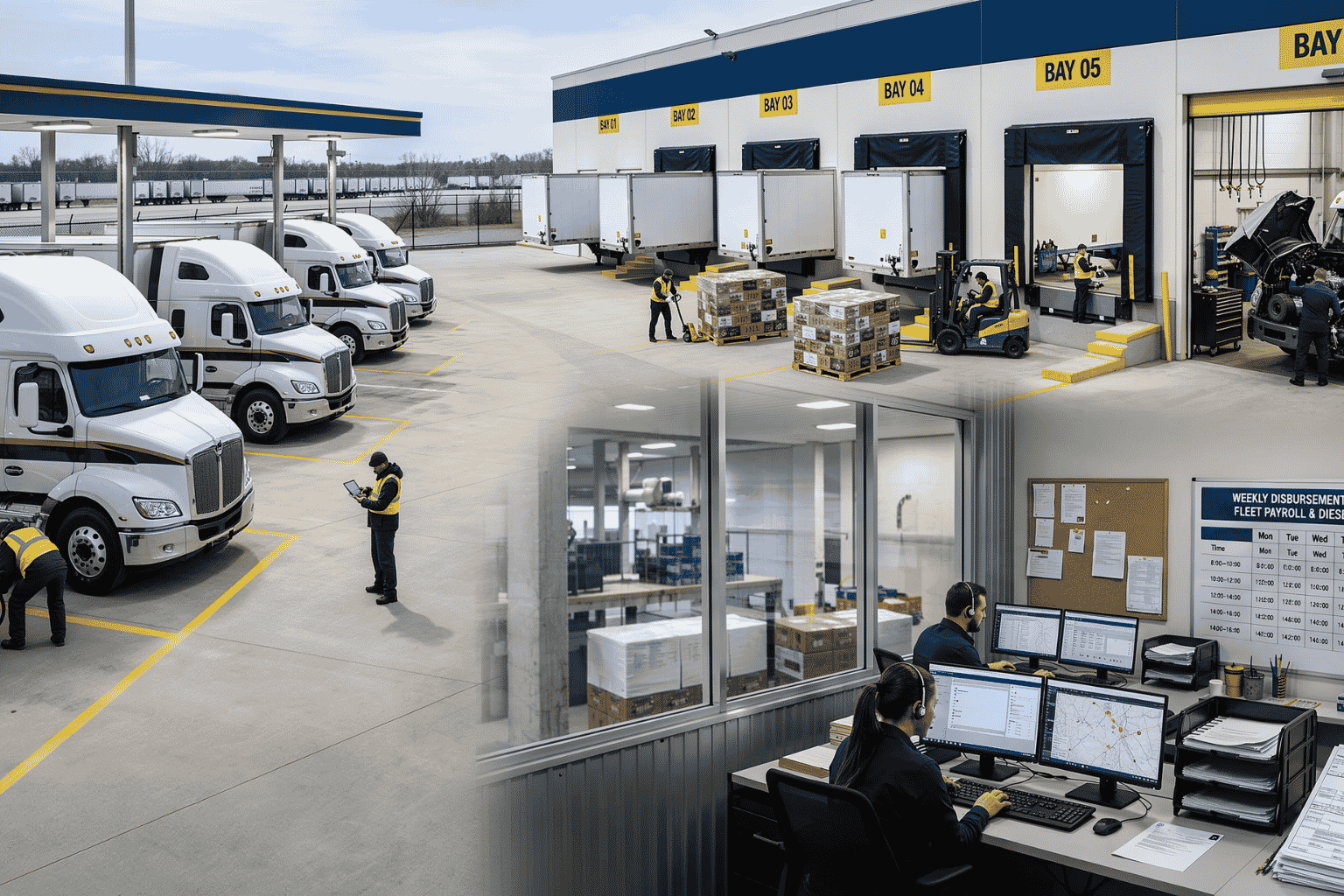

Thanksgiving-Week Manufacturing Working Capital: Fund Raw Materials, Overtime, Freight and Emergency Maintenance
Thanksgiving week does not necessarily slow manufacturing operations.
For many manufacturers, distributors and component suppliers, the holiday period can create a final production push before customer shutdowns, year-end delivery deadlines or December retail demand.
That production activity can require additional cash before the resulting customer invoices are collected.
Raw materials must be purchased. Employees may work overtime. Freight can become more expensive. Machinery operating at high utilization may require emergency maintenance.
If your manufacturing business has active customer demand and a defined working-capital requirement, complete the EIN Business Funding Quick Lead Pre-Qualification using current revenue, business age, credit profile and use of funds.
Raw Materials Can Consume Cash Before Production Starts
Manufacturers often need to pay suppliers before finished goods are completed or customers are invoiced.
A large holiday order can therefore create a substantial upfront funding requirement.
Businesses should calculate actual material quantities, supplier pricing and payment terms rather than estimating a general production budget.
Supplier Deposits Can Accelerate the Cash Need
Some suppliers require deposits for custom, imported or high-demand materials.
The manufacturer may need to commit cash before production can begin.
If the customer will not pay until shipment or later, the company must finance the period between supplier payment and customer collection.
Overtime Can Be Profitable—and Still Create Cash Pressure
A manufacturer may increase overtime to meet a confirmed delivery deadline.
The additional labor can support profitable customer orders, but payroll occurs according to schedule.
The customer payment may arrive weeks later.
Calculate overtime and temporary labor as part of the complete production funding requirement.
Emergency Freight Can Change the Margin
Holiday timing can increase pressure on transportation.
Materials may need expedited delivery. Finished goods may require faster shipment to meet a customer deadline.
Before financing production, include the realistic freight cost rather than using normal shipping assumptions that no longer apply.
High Utilization Can Increase Maintenance Risk
Machinery operating longer hours can experience additional wear.
A production plan that uses every available dollar for raw materials but leaves no cash for an unexpected equipment repair can put the entire customer order at risk.
Maintain some operating flexibility for maintenance and critical replacement parts.
Separate Working Capital From Major Equipment Purchases
Raw materials, overtime and freight are short-term operating needs.
A new CNC machine, packaging line, compressor or production system is a long-lived asset.
Do not automatically finance both through the same short-term structure.
Equipment financing may be more appropriate for the asset while working capital supports the production cycle.
Confirmed Orders Are Different From Speculative Inventory
A manufacturer producing against a signed purchase order or established customer schedule has greater visibility than a company building large quantities purely in anticipation of possible demand.
That does not eliminate financing risk, but it makes the working-capital calculation more concrete.
The business should distinguish committed production from speculative stock.
Accounts Receivable Can Become the Next Cash-Flow Gap
Once the goods are delivered, the financing problem can change.
The manufacturer may have completed the production cycle but still wait 30, 45 or 60 days for a commercial customer to pay.
Eligible receivables can create an invoice-financing opportunity depending on the customer and provider.
Do Not Finance Unprofitable Production
A large customer order can look attractive because of the revenue number.
The manufacturer still needs to understand:
- Material cost
- Labor
- Overtime
- Freight
- Scrap
- Maintenance
- Financing cost
If those costs eliminate most of the profit, more production may not improve the company’s financial position.
Customer Concentration Matters
A Thanksgiving or year-end production surge can make one customer a large percentage of monthly revenue.
If that customer delays payment, the working-capital impact can be significant.
Manufacturers should understand both the profitability and payment behavior of major accounts.
Use Bank Deposits to Understand Current Activity
Recent deposits can help show whether the company is operating consistently and whether current revenue supports the requested financing.
For businesses experiencing a seasonal production increase, owners should be able to explain how the current period differs from ordinary months.
What if the Business Has Only 6–12 Months of History?
Some online or alternative working-capital products may consider younger operating businesses when they have sufficient revenue, consistent deposits and an acceptable overall profile.
A newer manufacturer should not assume that an EIN alone creates financing eligibility.
Credit, revenue, business age, debt and cash flow still matter.
What Should a Manufacturer Prepare?
- Customer orders or production schedule
- Raw-material requirement
- Supplier payment terms
- Overtime and temporary labor budget
- Freight requirement
- Maintenance reserve
- Annual revenue
- Recent bank deposits
- Current credit profile
- Existing equipment and business debt
- Expected customer-payment timing
Calculate the Production Cycle From Cash Out to Cash In
One of the most useful exercises is to map the complete cycle.
When does the supplier need payment? When does production begin? When will goods ship? When will the customer invoice be issued? When is payment expected?
The longer the period between cash leaving the business and customer cash returning, the greater the potential working-capital requirement.
Thanksgiving Production Funding Should Protect the Margin
The purpose of working capital is not simply to keep machines running.
It should allow the manufacturer to complete profitable customer work without creating unnecessary financial pressure.
When materials, labor, freight, maintenance and customer-payment timing are calculated together, the business can size the funding request around the production cycle instead of guessing at a number.
FAQs
Can manufacturers use working capital for raw materials and overtime?
Potentially, depending on the financing product, provider and business profile.
Should major machinery be included in the same working-capital request?
Not automatically. Long-lived equipment may fit a separate equipment-financing structure.
Can unpaid manufacturing invoices support financing?
Eligible B2B receivables may support invoice-related financing depending on the customer, invoice status and provider requirements.
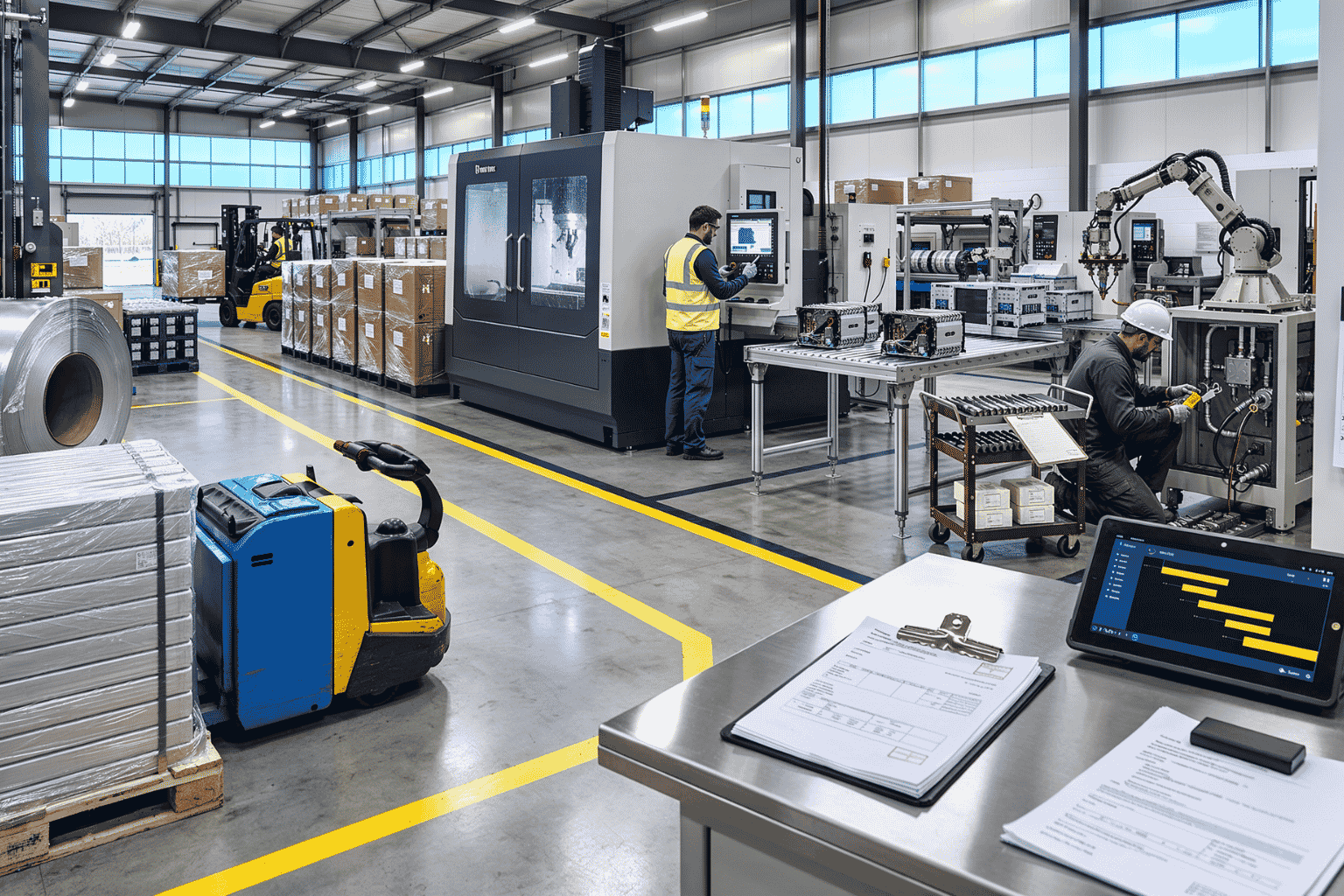 Holiday production can require cash for materials, overtime, freight and maintenance well before commercial customers pay.